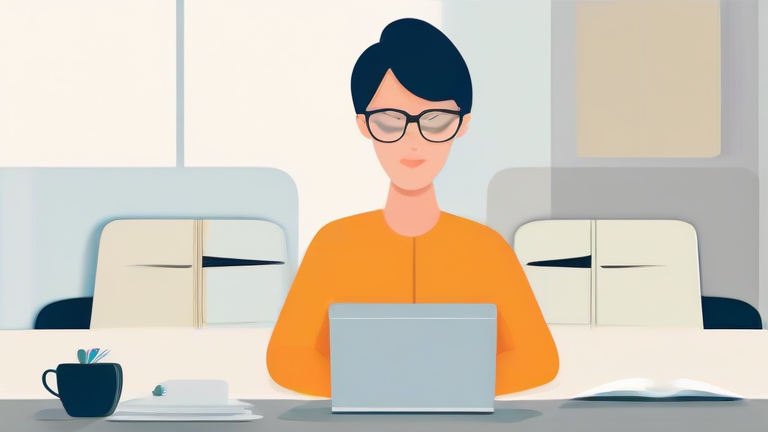
Remote Work to Hybrid: The Shift to Flexibility

The corporate landscape has undergone a seismic shift. What began as a necessary emergency measure during the global pandemic has evolved into a permanent structural change. We are no longer debating whether remote work is viable; we are navigating the nuances of the hybrid model. This transition offers unprecedented flexibility, but it also introduces unique challenges to our physical and mental well-being. Understanding how to balance these two worlds is crucial for sustainable health.
Research from the National Institute for Occupational Safety and Health indicates that the blurring of boundaries between work and home life is a primary driver of burnout. In a fully remote setting, the lack of physical separation often leads to overworking. Conversely, the commute to an office can deplete energy reserves before the workday even begins. The hybrid model, when managed correctly, offers a middle ground. It allows for deep focus at home and collaborative energy in the office. However, this freedom requires disciplined self-regulation to prevent the “always-on” mentality that plagues many remote workers.
To maintain health in this new era, we must prioritize ergonomic hygiene. Many employees hastily set up home offices using dining chairs or couches, leading to chronic back and neck pain. Science suggests that proper lumbar support and screen height are non-negotiable. Your monitor should be at eye level to prevent forward head posture, and your feet should rest flat on the floor. Investing in an ergonomic chair or using a simple footrest can significantly reduce musculoskeletal strain. Remember, your home office is a workspace, not a relaxation zone. Creating a dedicated physical space signals to your brain that it is time to focus, helping to mentally compartmentalize your day.
If you want to dig deeper, check out our guide on 10 Simple Health Habits to Boost Your Energy & Well-Being To.
Beyond physical health, social connection remains vital. Remote work can lead to isolation, which is linked to increased stress and decreased cognitive function. The hybrid model provides an opportunity to intentionally cultivate these connections. Use office days for brainstorming, team bonding, and face-to-face interaction. Reserve remote days for tasks requiring deep concentration. This intentional scheduling helps preserve mental clarity and social vitality. Additionally, prioritize movement. Sedentary behavior is a significant health risk. Try to incorporate short movement
Leave a Reply