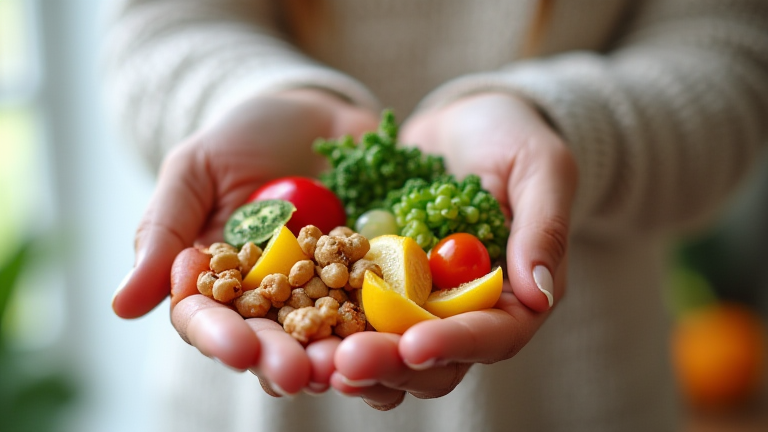
TL;DR: Yes, probiotics significantly aid digestion by breaking down complex carbohydrates and reducing inflammation, which enhances the absorption of essential nutrients like vitamins and minerals. They restore the gut microbiome balance, ensuring your body efficiently extracts energy and health benefits from the food you consume daily.
The Gut-Health Journey
Traveling through the vibrant streets of Bangkok or the quiet vineyards of Tuscany often reveals a common thread: the local obsession with fermented foods. From kimchi to kefir, these ancient staples are not merely culinary curiosities; they are the pillars of digestive wellness. As we increasingly recognize the gut as the “second brain,” the question arises: do probiotics truly aid digestion and absorption? The answer is a resounding yes, but understanding the “how” transforms our approach to eating and living.
If you want to dig deeper, check out our guide on New RD Mod Series: Understanding How It Works.
When we introduce beneficial bacteria into our systems, we are essentially hiring a microscopic workforce to manage the breakdown of food. These microbes produce enzymes that our own bodies struggle to generate, particularly for fiber-rich plant foods. By fermenting these tough carbohydrates, probiotics release short-chain fatty acids that nourish the cells lining the intestines. This process strengthens the gut barrier, preventing leaky gut syndrome and ensuring that nutrients pass into the bloodstream efficiently rather than being lost to waste.
Consider the cultural practice of pairing meals with yogurt or miso soup. This is not accidental tradition but evolutionary wisdom. In Japan, the consumption of natto and miso supports a robust microbiome, correlating with lower rates of digestive disorders. Similarly, in Eastern Europe, fermented cabbage preserves nutrients during winter, making vitamins more bioavailable. By embracing these cultural dietary habits, we tap into centuries of knowledge that aligns with modern science. The result is improved energy levels, clearer skin, and a stronger immune system, all stemming from better nutrient absorption.
Personal growth often begins with physical well-being. When your digestion is optimized, mental clarity improves. The gut-brain axis ensures that a healthy microbiome influences mood and cognitive function. Therefore, choosing probiotic-rich foods is an act of self-care that ripples into every aspect of life. It is not just about avoiding bloating; it is about maximizing the potential of every bite you take. Whether you are exploring new cuisines or sticking to familiar comfort foods, incorporating live cultures into your diet is a simple yet powerful step toward holistic health.
Ultimately, the synergy between food and probiotics creates a foundation for vitality. By supporting your gut flora, you empower your body to do what it does best: absorb, heal, and thrive. This lifestyle shift requires no exotic supplements, just a mindful return to fermented traditions that have sustained communities for generations.
FAQ
Q: How long does it take for probiotics to start aiding digestion?
A: Most people notice improvements in digestion within a few days to two weeks of consistent daily consumption.
Q: Can probiotics help with nutrient absorption even without digestive issues?
A: Yes, they enhance the bioavailability of vitamins and minerals for everyone by supporting a healthy gut lining.
Q: What are the best dietary sources of natural probiotics?
A: Yogurt, kefir, sauerkraut, kimchi, miso, and kombucha are excellent natural sources of live probiotic cultures.
Leave a Reply