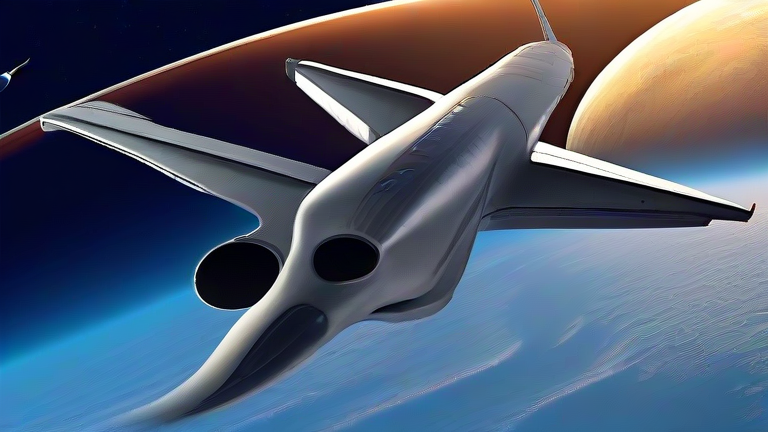
Space Tourism: Suborbital Flights for Everyone

The dream of touching the stars is no longer reserved for elite astronauts with years of rigorous training. The rise of commercial spaceflight has ushered in a new era where suborbital flights are becoming accessible to a broader demographic, promising not just a thrill, but a profound shift in human perspective. However, preparing for such a journey requires more than just financial readiness; it demands a holistic approach to health and wellness.
Suborbital flights, which typically reach altitudes above the Kármán line (100 kilometers or 62 miles), expose passengers to microgravity for only a few minutes. While the duration is short, the physiological impact can be significant. The rapid change in altitude and pressure can affect your inner ear, leading to motion sickness or vertigo. To mitigate these risks, experts recommend staying hydrated in the days leading up to the flight. Dehydration exacerbates the symptoms of space adaptation syndrome, making the experience less enjoyable and potentially dangerous.
Physical conditioning is another critical component. While you do not need to be an elite athlete, having a strong core and cardiovascular system can help your body handle the G-forces experienced during launch and re-entry. Doctors advise engaging in moderate aerobic exercises, such as swimming or cycling, for at least three months prior to your booking. This helps improve blood flow and reduces the risk of fainting or discomfort. Additionally, practicing deep breathing techniques can help manage anxiety, ensuring a calm and controlled state of mind during the ascent.
Lifestyle adjustments also play a crucial role. Avoiding alcohol and heavy meals 24 hours before the flight is essential to prevent nausea. Instead, opt for light, easily digestible foods that provide sustained energy. Sleep hygiene is equally important; aim for seven to nine hours of quality sleep the night before to ensure your body is fully rested and resilient.
Beyond the physical preparation, the mental aspect of space tourism cannot be overlooked. The “Overview Effect,” a cognitive shift reported by astronauts who
Leave a Reply