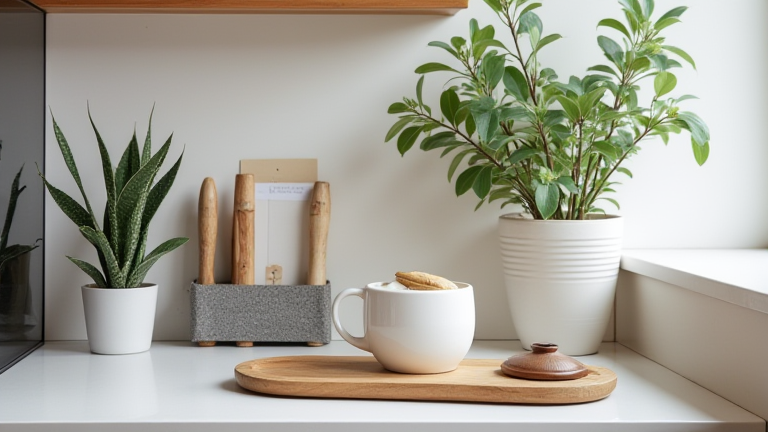
TL;DR: Investing in high-quality, sustainably made Canadian goods significantly reduces household waste and supports local ethical manufacturing practices. Choosing durable items like wool blankets, timber tools, and stainless steel cookware ensures long-term value while promoting a healthier, more eco-conscious lifestyle.
The Philosophy of Longevity in Modern Living
In an era defined by rapid consumerism and planned obsolescence, the concept of “buying it for life” offers a refreshing counter-narrative. It is not merely about frugality; it is a lifestyle choice that prioritizes quality, sustainability, and mental clarity. By reducing the frequency of replacements, individuals lower their carbon footprint and financial stress. Canada, with its rich natural resources and strong manufacturing heritage, is uniquely positioned to provide products that embody this ethos. From the rugged outdoors to the cozy home, Canadian-made items often boast superior craftsmanship designed to withstand the test of time.
Health Benefits of a Clutter-Free, Durable Home
The health implications of choosing durable goods extend beyond environmental impact. A home filled with flimsy, disposable items often leads to clutter, which is scientifically linked to increased cortisol levels and anxiety. Conversely, curating a space with fewer, higher-quality items promotes a sense of calm and order. Consider the bedroom environment. Canadian-made wool blankets, such as those produced in the Maritimes or British Columbia, offer natural temperature regulation. Unlike synthetic fibers that trap heat and moisture, wool wicks away humidity and resists allergens like dust mites. This natural property can significantly improve sleep quality, a cornerstone of physical and mental health. Similarly, choosing solid hardwood furniture over particle board reduces exposure to volatile organic compounds (VOCs) often found in glued composite materials, leading to better indoor air quality.
Cutting Through the Noise: Sustainable Kitchen Essentials
The kitchen is another area where durability translates directly to health. Non-stick coatings on cheap pans often degrade over time, releasing toxic fumes when overheated. In contrast, Canadian-made stainless steel or cast iron skillets are inert and safe for long-term use. They do not leach chemicals into food and, with proper care, last for generations. This shift also encourages mindful cooking. When you invest in quality cookware, you are more likely to engage in the cooking process, preparing fresh meals rather than relying on processed convenience foods. Furthermore, supporting local manufacturers strengthens the regional economy, creating a sense of community connection that is vital for psychological well-being. The transparency of local supply chains allows consumers to verify ethical labor practices, adding a layer of ethical satisfaction to the purchase.
Building a Resilient Routine
Adopting a “buy it for life” mentality requires a shift in perspective. It involves viewing purchases as long-term partnerships rather than transient transactions. This approach encourages maintenance and repair, skills that are often overlooked in modern society. Learning to care for your wool blanket or season your cast iron pan fosters a deeper appreciation for the objects we interact with daily. This mindfulness can spill over into other areas of life, encouraging patience and intentional decision-making. By prioritizing durability, we not only save money but also cultivate a more sustainable and healthier relationship with our possessions and our environment. The result is a life less burdened by the cycle of consumption and more focused on experiences and well-being.
FAQ
Q: What makes Canadian-made products more durable than imported alternatives?
A: Canadian manufacturers often adhere to stricter quality control standards and utilize high-grade, locally sourced materials like Canadian maple or wool, which are known for their resilience and longevity compared to cheaper, mass-produced imports.
If you want to dig deeper, check out our guide on 5 Proven Strategies to Boost Your Business Growth in 2026.
Q: How does reducing household waste improve mental health?
A: Less waste means less clutter and fewer disposable items to manage or replace, which reduces decision fatigue and stress. A simpler, more intentional home environment promotes mental clarity and a greater sense of control over one’s living space.
Q: Are eco-friendly Canadian products generally more expensive?
A: While the upfront cost may be higher, these products offer better long-term value due to their durability. They eliminate the recurring expense of replacing cheap goods, making them more cost
Leave a Reply