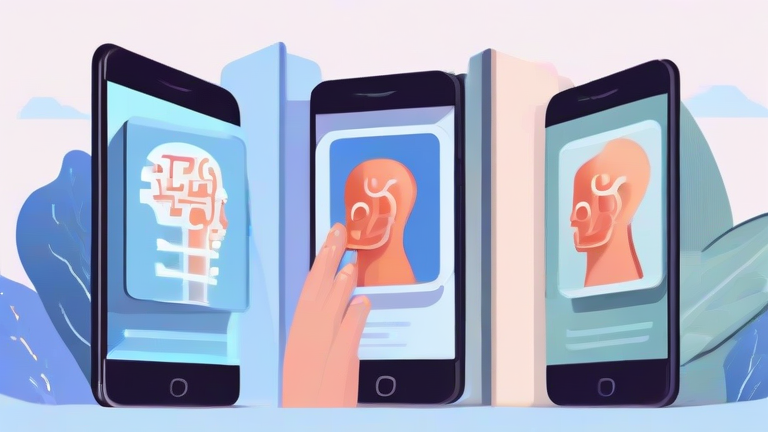
# AI Coaches in Mental Health Apps: The Future of Care
Imagine having a therapist available 24/7, who never sleeps, never judges, and remembers every detail of your emotional journey. This is no longer science fiction; it is the rapidly emerging reality of artificial intelligence in mental healthcare. As digital therapeutics evolve, AI coaches are stepping into the spotlight, offering scalable, personalized support that complements traditional human therapy. But what does the science say? Are these digital companions truly beneficial, or are they merely a technological gimmick? The answer lies in understanding both the potential and the limitations of this revolutionary tool.
The Science Behind Digital Support
Recent studies published in reputable journals suggest that AI-driven cognitive behavioral therapy (CBT) apps can significantly reduce symptoms of anxiety and depression. Unlike general chatbots, specialized AI coaches utilize natural language processing to detect emotional cues in user input. They provide real-time cognitive restructuring, helping users challenge negative thought patterns immediately. For instance, if a user inputs, “I feel like a failure,” the AI can gently prompt, “Let’s look at the evidence for that thought,” fostering critical thinking skills essential for mental resilience.
If you want to dig deeper, check out our guide on Top 10 Trends Shaping 2024: What You Need to Know.
However, it is crucial to note that AI does not replace human clinicians. Instead, it acts as a bridge. During wait times for professional help or between sessions, AI coaches provide consistent support, ensuring that users do not fall through the cracks of the healthcare system. This continuity of care is vital for long-term mental health management.

Integrating AI into Your Daily Routine
To maximize the benefits of AI mental health tools, integrate them into a holistic wellness lifestyle. Start by using AI journals to track your mood patterns. Consistency is key; daily check-ins help the algorithm learn your unique triggers and coping mechanisms. Pair these digital insights with tangible lifestyle changes. For example, if your AI coach notices increased stress levels on weekdays, it might suggest mindfulness exercises. Pair this with a tangible action: take a five-minute walk outside or practice deep breathing techniques.
Furthermore, prioritize sleep hygiene and physical
Leave a Reply