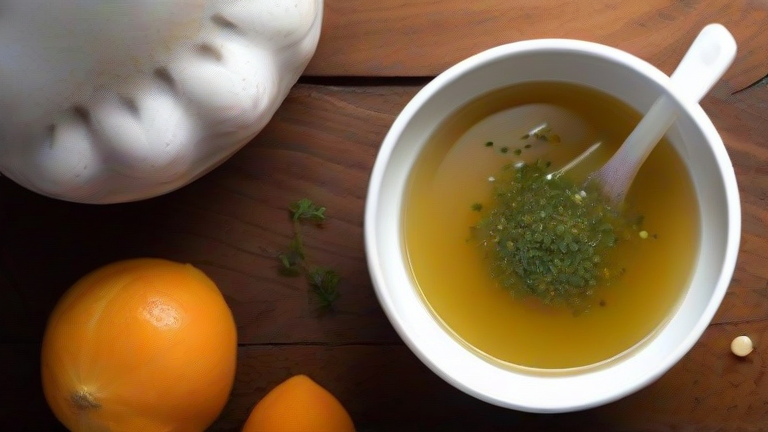
TL;DR: Yes, bone broth concentrate is generally healthy, offering a nutrient-dense source of collagen, amino acids, and minerals. However, its high sodium content requires mindful consumption, making it a beneficial supplement rather than a complete dietary replacement.
Understanding the Nutritional Profile
Bone broth concentrate is essentially a reduced form of traditional bone broth, achieved by simmering animal bones and connective tissues for extended periods. This process extracts valuable compounds like collagen, gelatin, glucosamine, and chondroitin. Science suggests that these components support joint health, skin elasticity, and gut integrity. The concentrate form provides these benefits in a smaller volume, making it convenient for those who dislike the taste or texture of large bowls of soup.
If you want to dig deeper, check out our guide on State Farm Policyholders: Check If You Have Dividends Owed.
Key Health Benefits
One of the primary advantages of bone broth concentrate is its potential to improve gut health. The amino acid glutamine helps maintain the intestinal lining, potentially aiding those with leaky gut syndrome. Additionally, the collagen content may reduce joint pain and inflammation, a benefit supported by several clinical studies on athletes and older adults. For skin health, the glycine and proline found in bone broth contribute to the production of new collagen fibers, promoting a youthful appearance.
Lifestyle Tips for Integration
Integrating bone broth concentrate into your daily routine is simple. Mix a tablespoon into hot water for a quick, warming drink, or stir it into soups, stews, and sauces for added depth and nutrition. Because concentrates are often high in sodium, always check the label for sodium content. Opt for low-sodium varieties if you are watching your salt intake. Pairing bone broth with vitamin C-rich foods can enhance collagen synthesis in the body, maximizing its skin and joint benefits.
Potential Downsides and Considerations
Despite its benefits, bone broth concentrate is not without drawbacks. The high sodium levels can be problematic for individuals with hypertension or heart conditions. Furthermore, some commercial products may contain additives or preservatives. To avoid this, consider making your own concentrate at home using organic bones and minimal salt. This ensures you control the ingredients and avoid unnecessary additives. It is also important to note that while bone broth contains collagen, it does not contain complete proteins, so it should complement, not replace, other protein sources in your diet.
FAQ
Q: Is bone broth concentrate better than regular bone broth?
A: It depends on your needs. Concentrates offer convenience and higher nutrient density per serving, but regular broth allows for better control over sodium and ingredients.
Q: Can I drink bone broth concentrate every day?
A: Yes, most people can consume it daily, but monitor your total sodium intake from all sources to avoid exceeding recommended limits.
Q: Does bone broth concentrate help with weight loss?
A: It may support weight loss indirectly by promoting satiety due to its protein content, but it is not a magic solution and should be part of a balanced diet.
Leave a Reply