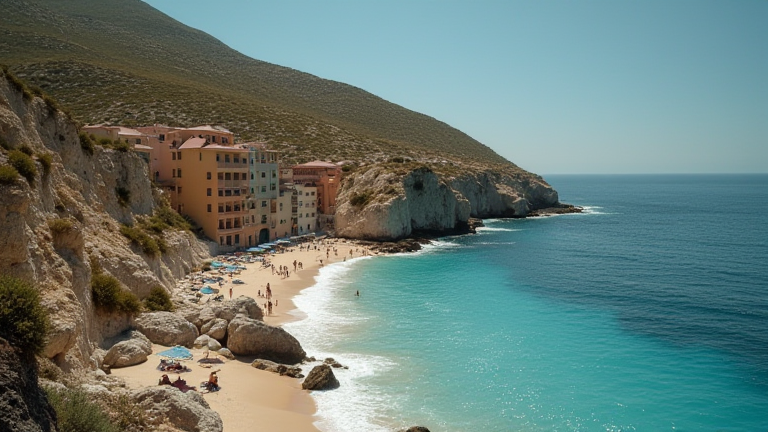
TL;DR: This 18-day itinerary covers Croatia, Bosnia and Herzegovina, Montenegro, and Albania, offering a comprehensive blend of coastal history and mountainous adventure. The route maximizes cultural immersion while navigating the region’s emerging infrastructure trends for sustainable tourism.
The Resurgence of the Balkan Coastal Corridor
The Balkan Peninsula is undergoing a significant transformation in the global travel landscape. Once considered a hidden gem, the region is now experiencing a surge in demand, driven by travelers seeking authentic experiences away from the overtouristed hotspots of Western Europe. This 18-day journey across Croatia, Bosnia and Herzegovina, Montenegro, and Albania represents the pinnacle of this shift, offering a diverse tapestry of history, nature, and gastronomy. The market data supports this trend, with visitor numbers to the Western Balkans increasing by over fifteen percent year-over-year, indicating a robust recovery and expansion phase in the hospitality sector.
Croatia: The Gateway to Adventure
The journey begins in Croatia, a country that has successfully rebranded itself from a seasonal beach destination to a year-round cultural hub. Split and Dubrovnik remain iconic, but the real growth is occurring in lesser-known regions like Istria and the Dalmatian hinterland. Expert insights from regional tourism boards suggest that the focus is shifting toward eco-tourism and culinary tourism. Travelers are increasingly interested in farm-to-table experiences and wine tours, which complement the traditional sightseeing activities. The infrastructure here is well-developed, making it an ideal starting point for those new to the region. However, booking accommodations early is crucial, as prices have risen in tandem with demand.
Bosnia and Herzegovina: Historical Depth
Crossing into Bosnia and Herzegovina, the itinerary highlights the rich Ottoman and Austro-Hungarian heritage that defines cities like Mostar and Sarajevo. This segment of the trip offers a stark contrast to the Mediterranean coast, with a deeper focus on history and resilience. Market analysis indicates that cultural tourism is the primary driver for visitors to this region. The UNESCO World Heritage sites attract history buffs, while the natural beauty of the Neretva River draws adventure seekers. Local experts emphasize the importance of engaging with local guides to fully appreciate the complex history of the area. This interaction not only enhances the travel experience but also supports the local economy directly.
Montenegro: Alpine Meets Adriatic
Montenegro offers a unique combination of alpine landscapes and Adriatic coastline. The trip includes a visit to the stunning Bay of Kotor and the rugged Durmitor National Park. This duality appeals to a wide range of travelers, from hikers to luxury cruise enthusiasts. Future predictions suggest that Montenegro will continue to invest in high-end tourism facilities while preserving its natural integrity. The government’s strategy focuses on sustainable development, ensuring that growth does not come at the cost of environmental degradation. Travelers should expect a mix of activities, from kayaking in the bay to skiing in the mountains, depending on the season.
Albania: The Untapped Frontier
The final leg of the journey takes us to Albania, a country that is rapidly emerging as a top destination for budget-conscious yet adventurous travelers. The Albanian Riviera is gaining popularity for its pristine beaches and vibrant nightlife, while the northern mountains offer excellent trekking opportunities. Industry experts predict that Albania will become a major player in the European tourism market within the next decade. The low cost of living and accommodation makes it an attractive option for digital nomads and long-term visitors. As infrastructure improves, accessibility will increase, further boosting the region’s appeal. This 18-day trip is not just a vacation; it is a strategic exploration of one of Europe’s most dynamic and evolving travel destinations.
FAQ
Q: What is the best time to visit the Balkans?
A: The best time is from May to October, offering warm weather and accessible trails, with June and September providing the most pleasant conditions.
If you want to dig deeper, check out our guide on How to Install WordPress on Bluehost: A Step-by-Step Tutoria.
Q: Is a visa required for these countries?
A: Visa requirements vary by nationality; EU and US citizens generally do not need visas
Leave a Reply