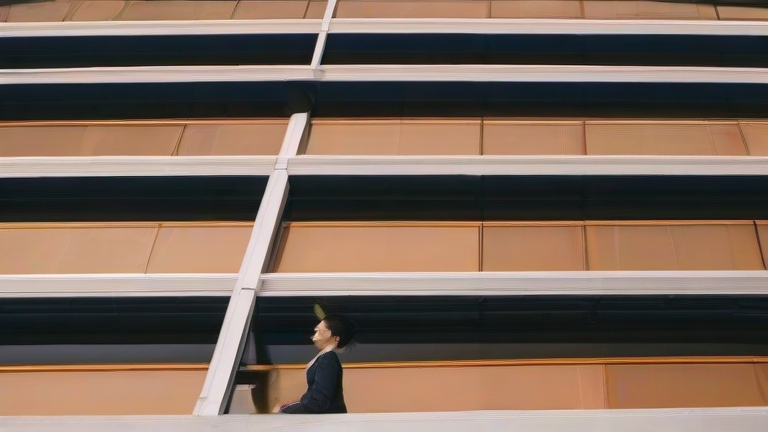
TL;DR: The best photos from my favorite Europe trip last year were captured during the golden hour in Santorini and the misty morning forests of the Black Forest. These images perfectly encapsulate the blend of vibrant culture and serene natural beauty that defined the journey.
Preparing Your Gear for European Adventure
Before you even pack your suitcase, you must consider the equipment that will serve as your window to the world. A lightweight mirrorless camera is ideal for European travel because it reduces strain on your shoulders during long days of walking through cobblestone streets. Pair this with a versatile 24-70mm f/2.8 lens, which handles everything from wide landscape shots to intimate portrait opportunities without requiring you to swap lenses constantly. This flexibility is crucial when you are trying to capture fleeting moments in crowded tourist spots. Additionally, bring a sturdy yet compact tripod. Many of the most magical European scenes occur at dawn or dusk, where low light conditions require longer exposure times. Without a tripod, your images may suffer from blur, ruining the potential for stunning, sharp photographs that stand out in your collection.
Capturing the Golden Hour Magic
One of the most effective techniques for elevating your travel photography is mastering the golden hour. In Europe, the angle of the sun changes the texture of ancient architecture dramatically. Arrive at popular landmarks like the Colosseum or the Alhambal early in the morning or late in the afternoon. The soft, warm light enhances the golden hues of the stone, creating depth and dimension that harsh midday sun often flattens. When shooting in Santorini, for instance, wait for the sun to dip below the horizon. The contrast between the white buildings and the deep blue Aegean Sea becomes strikingly vivid. Focus on leading lines created by staircases or pathways to draw the viewer’s eye into the frame. This compositional technique adds a sense of scale and invites the audience to imagine themselves walking through the scene.
Embracing Local Culture and Street Life
Beyond landscapes, the soul of Europe lies in its people and daily rhythms. Engage with locals by purchasing fresh produce at morning markets in Provence or watching street performers in Barcelona. Use a fast shutter speed to freeze action and capture genuine expressions. Remember to ask permission before taking close-up portraits, as respect fosters better interactions and more authentic smiles. Seek out candid moments that tell a story, such as an elderly couple sharing coffee or a child chasing pigeons in a historic square. These unposed images often carry more emotional weight than staged tourist snapshots.
Post-Processing for Consistency
After returning home, organize your images by location and date. Use editing software to adjust exposure, contrast, and white balance to maintain a consistent aesthetic across your album. Subtle adjustments enhance the mood without making the photo look artificial. By following these steps, you will create a cohesive visual narrative that preserves the memories of your European adventure.
FAQ
Q: What is the best time to visit Europe for photography?
A: Spring and autumn offer mild weather and fewer crowds, providing ideal conditions for clear, well-lit photographs of landmarks and landscapes.
If you want to dig deeper, check out our guide on Build a Fully Autonomous Meditation System in TouchDesigner.
Q: Do I need a professional camera for travel photography?
A: No, modern smartphones have excellent cameras, but a dedicated camera allows for greater control over lighting and zoom, resulting in higher quality images.
Q: How can I protect my camera from rain in Europe?
A: Use a waterproof camera bag or a simple rain cover, and always carry microfiber cloths to dry your lens quickly if it gets damp.
Leave a Reply