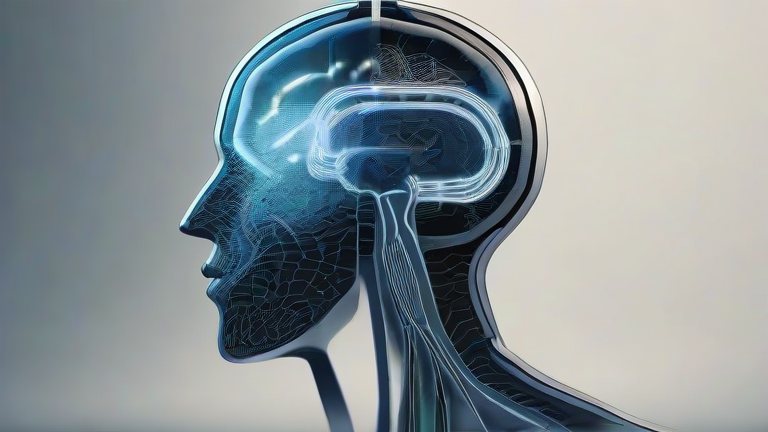
Neurotech: Brain-Computer Interfaces Go Consumer
The era of brain-computer interfaces (BCIs) was once the exclusive domain of neuroscience labs and medical facilities, reserved for individuals with severe motor impairments or neurological disorders. Today, however, this cutting-edge technology is rapidly transitioning into the consumer market. From sleep-tracking headbands to focus-enhancing headphones, neurotech is becoming accessible to the general public, promising to revolutionize how we understand and optimize our mental performance. This shift raises important questions about efficacy, safety, and the ethical implications of monitoring our most private organ: the brain.
At the core of consumer neurotech are non-invasive devices that utilize electroencephalography (EEG) to detect electrical activity in the brain. These devices typically consist of sensors placed on the scalp, which translate neural signals into data that can be visualized on a smartphone app. While early iterations were often criticized for low signal quality and high susceptibility to interference, recent advancements in sensor technology and machine learning algorithms have significantly improved accuracy. Consumers can now monitor their sleep stages, measure stress levels, and even control digital devices with their thoughts, marking a significant leap in user experience and reliability.
If you want to dig deeper, check out our guide on Metaverse Education Platforms Gain Traction in 2024.
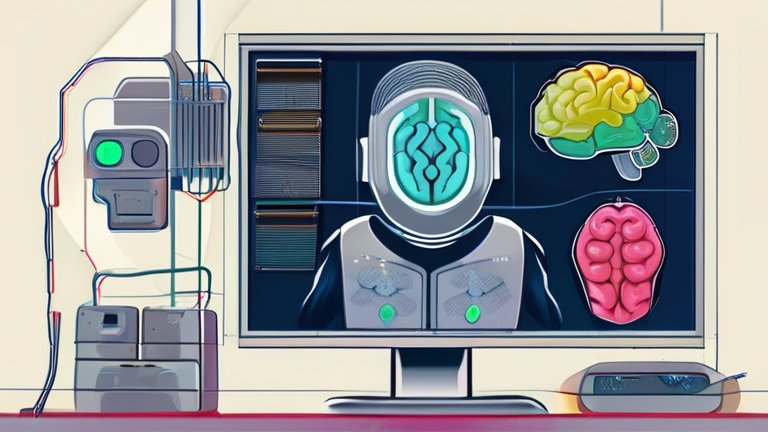
Despite the excitement surrounding these gadgets, it is crucial to approach them with a grounded, science-backed perspective. The primary benefit of current consumer neurotech lies in biofeedback. By providing real-time data on brain activity, these devices encourage mindfulness and self-regulation. For instance, apps that gamify focus training can help users develop better attention spans by rewarding sustained mental effort. However, experts caution against viewing these devices as medical tools or miracle cures. The data they provide should be interpreted as trends rather than precise diagnostic metrics, and they should complement, not replace, traditional health practices.
For those interested in integrating neurotech into their wellness routines, start with devices focused on sleep and relaxation. Sleep optimization is a low-risk, high-reward application of brain-computer interfaces. Many consumer headbands offer detailed insights into sleep cycles, helping users identify patterns that disrupt rest. By adjusting bedtime routines based on this feedback, individuals can improve
Leave a Reply