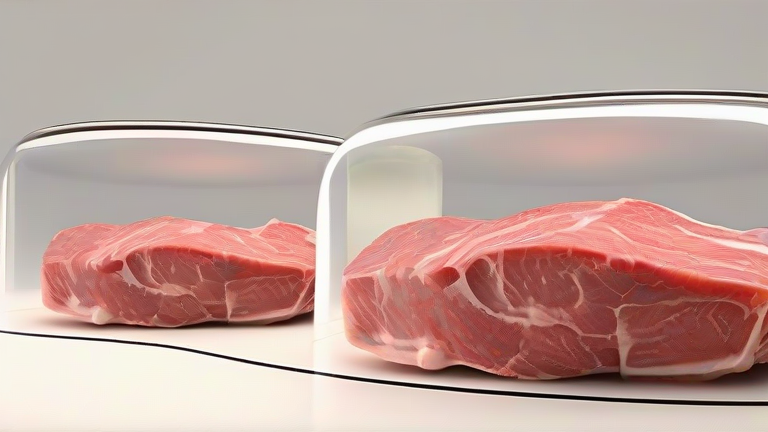
Lab-Grown Meat Gets FDA Approval: Global Milestone
In a landmark decision that signals a paradigm shift in the global food industry, the United States Food and Drug Administration (FDA) has officially granted approval for the commercial sale of cell-cultivated meat products. This regulatory green light marks the culmination of years of rigorous scientific testing, safety evaluations, and public debate, positioning the United States at the forefront of the cultivated protein revolution. The approval applies to specific strains of chicken and beef cells, which are grown in bioreactors using animal-free cell lines, ensuring a product that is biologically identical to conventional meat but produced without raising and slaughtering animals.
Technical Specifications and Production Process
The approved products are derived from a simple biopsy taken from a living animal, a process that is painless and does not require the death of the donor. These cells are then placed in nutrient-rich growth media, which typically consists of amino acids, sugars, salts, and vitamins, all of which are verified to be free of human and animal-derived ingredients. The cells multiply rapidly in stainless-steel bioreactors, much like the fermentation processes used in brewing beer or making yogurt. The final product is structured to mimic the texture and fibrous nature of traditional muscle tissue, providing a mouthfeel and flavor profile that consumers find indistinguishable from conventional meat. Recent advancements in scaffold technology have allowed manufacturers to create complex cuts, such as steaks and chicken breasts, rather than just ground meat products.
Industry Impact and Economic Implications
This approval is expected to send shockwaves through the agricultural and food processing sectors. Major food corporations and innovative biotech startups are now racing to scale up production facilities to meet anticipated demand. The economic implications are profound, potentially disrupting traditional supply chains that have relied on livestock farming for centuries. Investors are pouring billions into the sector, viewing cultivated meat as a critical component of future food security. By reducing reliance on land-intensive animal agriculture, the industry promises to lower greenhouse gas emissions, decrease water usage, and eliminate the need for routine antibiotics, addressing several
Leave a Reply