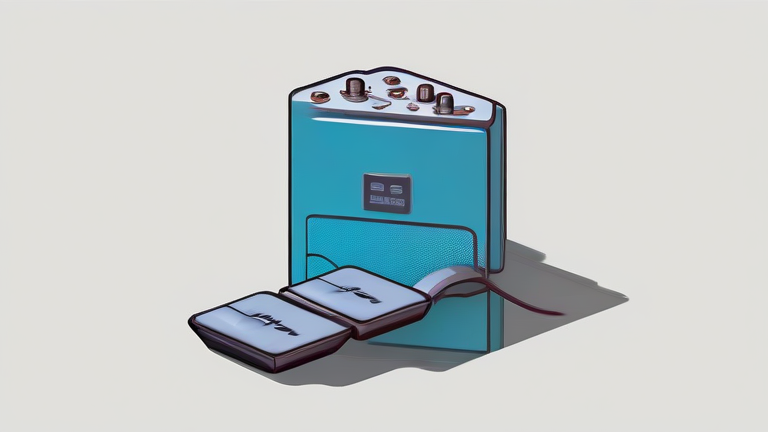
Solid-State Batteries: Powering the Next EV Wave
Electric vehicles are on the cusp of a revolutionary transformation, driven by the advent of solid-state battery technology. Unlike traditional lithium-ion batteries that rely on liquid electrolytes, solid-state batteries use solid electrolytes, offering superior safety, higher energy density, and faster charging capabilities. This guide provides a step-by-step approach to understanding and preparing for this technological leap, helping enthusiasts and industry stakeholders navigate the transition smoothly.
Step 1: Understand the Core Components
Begin by familiarizing yourself with the fundamental architecture of solid-state batteries. These batteries consist of a solid anode, a solid cathode, and a solid electrolyte that facilitates ion movement. The absence of liquid electrolytes eliminates the risk of leaks and fires, making them inherently safer. Research the materials commonly used, such as ceramics, glass, or polymers, to grasp how they impact performance and cost.
Step 2: Evaluate Performance Metrics
Next, analyze the key performance indicators that distinguish solid-state batteries from their liquid counterparts. Focus on energy density, which is significantly higher in solid-state designs, allowing for longer driving ranges. Additionally, consider charging speed, as solid electrolytes can support faster ion transfer rates. Use industry reports and scientific papers to compare these metrics against current lithium-ion standards, ensuring you understand the practical implications for everyday use.
Step 3: Assess Safety and Durability
Safety is a paramount concern in battery technology. Solid-state batteries offer enhanced thermal stability, reducing the likelihood of thermal runaway, a common issue in liquid-based batteries. Investigate durability factors, such as cycle life and resistance to degradation over time. Look for studies that demonstrate how solid-state batteries perform under extreme temperatures and stress conditions, providing confidence in their long-term reliability.
Step 4: Explore Manufacturing Challenges
While the potential benefits are clear, manufacturing solid-state batteries presents unique challenges. Production costs are currently
Leave a Reply