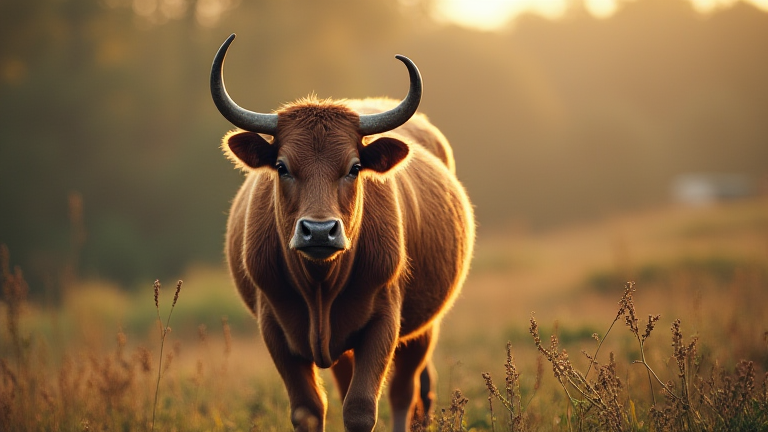
TL;DR: Recent scientific consensus indicates that beef and dairy production are primary drivers of global farmland biodiversity loss, accounting for approximately 41% of the habitat destruction linked to these industries. Shifting towards plant-forward diets and supporting regenerative agricultural practices are effective, evidence-based strategies to mitigate this ecological impact and promote personal health.
The Ecological Cost of Animal Agriculture
The global food system is at a critical juncture. While animal products like beef and dairy have long been staples of human nutrition, their environmental footprint is staggering. Studies suggest that livestock farming, particularly for cattle, consumes nearly 80% of global agricultural land while providing only 18% of the world’s calories. This disproportionate land use directly translates to habitat loss, as forests, grasslands, and wetlands are cleared to make room for grazing animals and feed crops. The result is a significant decline in biodiversity, affecting everything from soil microorganisms to large mammals and migratory birds.
If you want to dig deeper, check out our guide on Top 10 Tech Trends Shaping the Future in 2024.
However, understanding this impact does not require immediate, drastic lifestyle overhauls that feel unsustainable. Instead, small, consistent changes can yield profound benefits for both the planet and your body. The key lies in moderation and conscious choice. You do not need to eliminate animal products entirely to make a difference. Reducing consumption of beef, the most land-intensive meat, by just a few times a week can significantly lower your personal carbon and biodiversity footprint.
Science-Backed Dietary Shifts
Adopting a flexitarian approach offers a balanced path forward. This lifestyle emphasizes plants as the foundation of meals while including small amounts of animal products. Research shows that plant-based diets are associated with lower risks of heart disease, type 2 diabetes, and certain cancers. By replacing red meat with legumes, nuts, and whole grains, you not only support biodiversity but also improve your gut health through increased fiber intake. Legumes like lentils and chickpeas are particularly beneficial, as they fix nitrogen in the soil, potentially reducing the need for synthetic fertilizers that harm local ecosystems.
Furthermore, consider the source of your dairy. Opting for products from regenerative farms that prioritize soil health and animal welfare can help mitigate some environmental damage. These farms often use rotational grazing techniques that mimic natural patterns, promoting grassland health and carbon sequestration. When shopping, look for certifications that indicate sustainable practices, such as those ensuring no deforestation occurred to produce the feed.
Lifestyle Tips for Sustainable Wellness
Wellness extends beyond individual health to planetary health. Engaging with local farmers’ markets allows you to build relationships with producers who use sustainable methods. This community connection fosters a deeper appreciation for food and encourages seasonal eating, which reduces the energy costs associated with long-distance transportation. Additionally, reducing food waste is crucial. Approximately one-third of all food produced is lost or wasted, meaning the resources used to produce that food—including the land and water—are also wasted. Planning meals, storing food properly, and composting scraps can drastically reduce this inefficiency.
Education plays a vital role in this transition. Stay informed about the latest research on sustainable agriculture and biodiversity. Share your journey with friends and family, not through judgment, but through positive examples. Cooking new plant-based recipes can be a fun, creative outlet that introduces diverse flavors and nutrients to your diet. Over time, these small actions accumulate, creating a collective impact that protects biodiversity and enhances personal well-being.
FAQ
Q: How much can I reduce my biodiversity footprint by cutting beef?
A: Reducing beef consumption is the single most effective dietary change, as beef production uses significantly more land per calorie than other meats or plant-based alternatives.
Q: Is organic dairy better for biodiversity?
A: While organic farming avoids synthetic pesticides, it often requires more land per unit of output, so regenerative grazing practices are generally more beneficial for habitat preservation.
Q: Can I make a difference if I still eat meat occasionally?
A: Yes, even a modest reduction in high-impact foods like beef and lamb, combined with minimizing food
Leave a Reply