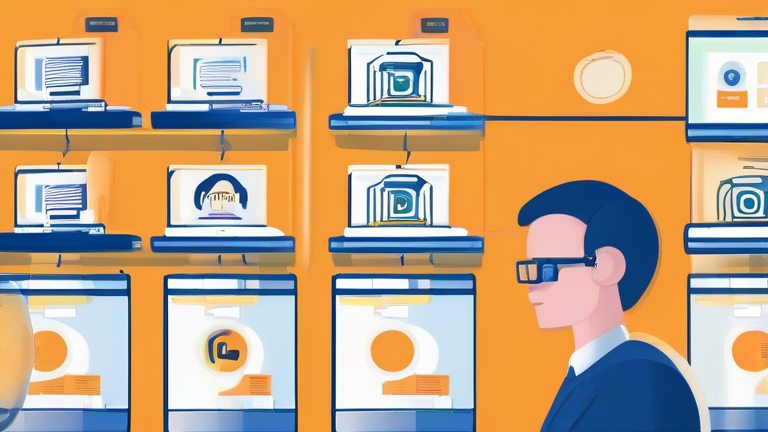
How AI Agents Autonomously Manage Enterprise Workflows
The modern workplace is undergoing a profound transformation driven by artificial intelligence. While the term “AI agents” often conjures images of cold, mechanical efficiency, their true potential lies in humanizing work by removing bureaucratic friction. When enterprise workflows are autonomously managed by intelligent agents, employees are freed from repetitive administrative tasks, allowing them to focus on creative, strategic, and interpersonal activities that genuinely drive value. This shift is not merely about productivity; it is a critical component of holistic health and wellness in the corporate environment.
Chronic stress and burnout are often fueled by context switching and the relentless pressure to manage endless email inboxes and scheduling conflicts. Science-backed research in occupational health indicates that reducing cognitive load significantly lowers cortisol levels, thereby improving mental clarity and emotional resilience. By delegating routine coordination to AI agents, workers can achieve a state of “flow,” a psychological concept described by Mihaly Csikszentmihalyi as a state of optimal engagement. This state is associated with higher job satisfaction and lower anxiety.
To harness these benefits, organizations must implement AI tools that integrate seamlessly with existing communication platforms. For instance, an AI agent can automatically prioritize emails based on urgency and sender relevance, draft standard responses, and schedule meetings without manual intervention. This autonomy reduces the mental fatigue associated with decision fatigue. Lifestyle tips for employees include setting clear boundaries with AI tools. While automation helps, it is essential to maintain digital hygiene. Schedule regular “deep work” sessions where notifications are silenced, allowing for uninterrupted concentration. This practice leverages the time saved by AI to enhance focus and creativity rather than simply increasing the volume of work.
Furthermore, wellness initiatives should emphasize the importance of human connection. AI handles the logistics, but humans provide the empathy, nuance, and strategic insight that machines cannot replicate. Encourage team members to use the reclaimed time for mentorship, collaborative brainstorming, or even brief mindfulness breaks. Regular physical activity and adequate sleep remain foundational to cognitive performance. When AI manages the mundane, employees can prioritize their physical health, knowing that their administrative burdens are being handled efficiently.
Ultimately, the integration
Leave a Reply