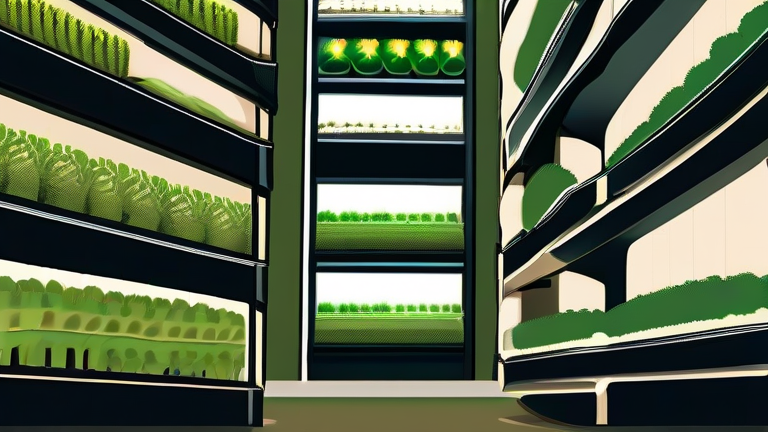
Vertical Farming: Feeding Dense Urban Areas Efficiently
As our global population shifts increasingly toward metropolitan centers, the traditional model of suburban agriculture is struggling to keep pace with demand. Enter vertical farming, a revolutionary agricultural technology that promises to redefine how we grow food in cities. This innovative approach stacks crops in controlled environments, maximizing yield per square foot while minimizing the environmental footprint. For urban planners, chefs, and sustainability advocates, understanding the mechanics and benefits of this system is crucial for future food security.
The core advantage of vertical farming lies in its efficiency. By utilizing hydroponic or aeroponic systems, these farms use up to 95% less water than conventional field farming. Furthermore, because the environment is fully controlled, crops are free from pests, eliminating the need for harmful pesticides. The result is cleaner, healthier produce that retains higher nutrient levels. Imagine harvesting leafy greens, herbs, and strawberries within miles of the consumer, reducing transportation emissions and ensuring peak freshness. This proximity to the end-user is perhaps the most significant selling point for dense urban areas where land is scarce and expensive.
If you want to dig deeper, check out our guide on 10 Essential Health Tips for a Longer, Happier Life.
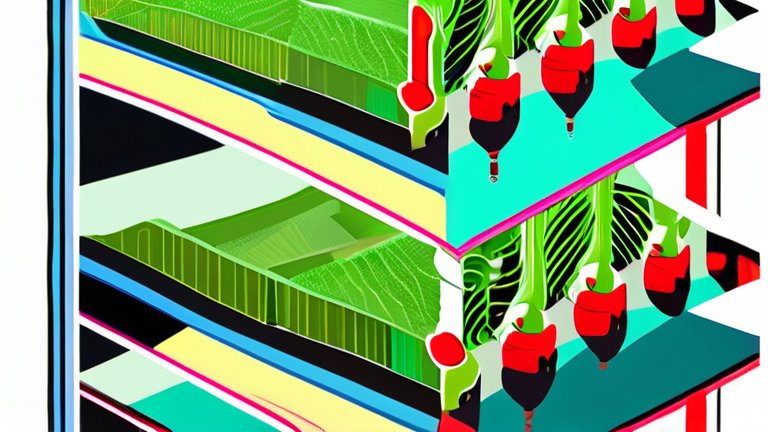
Comparing Traditional vs. Vertical Methods
When comparing vertical farms to traditional agriculture, the differences are stark. Traditional farms rely on seasonal weather patterns, leading to inconsistent yields and vulnerability to climate change. In contrast, vertical farms operate year-round, providing a stable supply chain regardless of external weather conditions. While the initial setup cost for vertical infrastructure is higher, the long-term operational savings and consistent quality often justify the investment. Additionally, vertical farms do not compete with wildlife for land, preserving natural habitats that would otherwise be converted for agriculture.
Despite its advantages, vertical farming is not without challenges. Energy consumption for lighting and climate control remains a significant factor. However, advancements in LED technology and renewable energy integration are steadily reducing these costs. As technology matures, the economic viability of urban agriculture will only improve, making it an attractive option for cities worldwide.
Take the Leap into Sustainable Agriculture
The future of food is local, efficient, and sustainable.
Leave a Reply