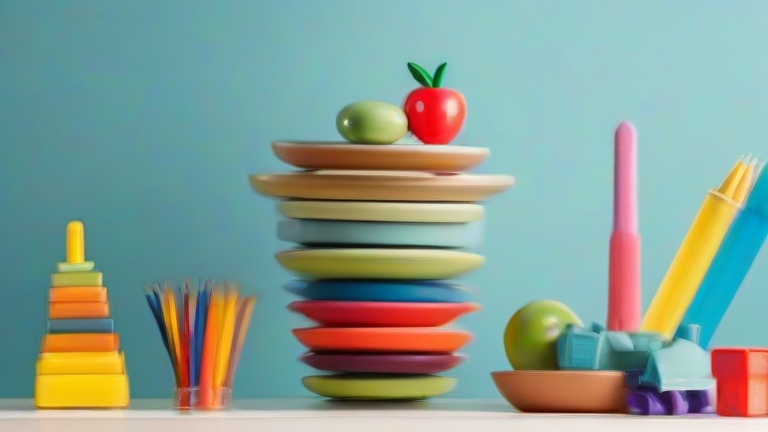
TL;DR: Select toys made from solid wood, heavy-duty plastic, or reinforced fabric to withstand daily student handling. Prioritize items with rounded edges, secure stitching, and non-toxic finishes to ensure long-term classroom safety and durability.
Introduction
If you want to dig deeper, check out our guide on Is It Safe to Buy Secondhand Bean Bag Chairs?.
Classroom environments are chaotic, noisy, and incredibly demanding on educational materials. Teachers often find themselves replacing broken toys within weeks of purchase, which drains budgets and disrupts learning. Investing in durable toys is not just about saving money; it is about creating a stable, safe, and engaging learning environment where students can explore without interruption. This guide provides actionable steps to help you select and maintain classroom resources that last.
Step 1: Assess Material Quality
The first step in selecting durable toys is analyzing the material composition. Avoid cheap, brittle plastics that snap under pressure. Instead, opt for solid hardwoods like beech or maple, which are naturally resistant to splintering and cracking. For plastic items, look for high-density polyethylene (HDPE) or polypropylene, which offer significant impact resistance. Fabric-based toys, such as soft blocks or puppets, should feature double-stitched seams and heavy-duty canvas or felt rather than thin polyester. When you feel an item in the store, it should feel substantial and rigid, not hollow or flimsy.
Step 2: Evaluate Safety Features
Durability is meaningless if the toy poses a safety risk. Inspect every item for small, detachable parts that could become choking hazards, especially for younger students. Ensure that all edges are rounded and smooth to prevent scrapes and injuries during rough play. Check that paints and finishes are certified non-toxic and lead-free. Furthermore, verify that batteries are securely enclosed in compartments requiring a tool to open, preventing students from accessing harmful materials. A durable toy must remain intact and safe even after being dropped, thrown, or stepped on.
Step 3: Implement Maintenance Protocols
Once you have purchased high-quality toys, proper maintenance extends their lifespan significantly. Establish a weekly cleaning routine using mild soap and water for washable items. For wooden toys, apply a food-safe mineral oil occasionally to prevent drying and cracking. Immediately repair minor damages, such as loose screws or frayed strings, before they worsen. Teach students gentle handling through consistent modeling and positive reinforcement. When a toy breaks beyond repair, dispose of it responsibly rather than leaving broken pieces in the classroom, which creates hazards and reduces the overall quality of your learning space.
FAQ
Q: How do I clean wooden toys without damaging them?
A: Wipe them with a damp cloth and mild soap, then dry immediately to prevent warping.
Q: Are there eco-friendly durable toys available?
A: Yes, look for toys made from recycled plastics or sustainably sourced hardwoods with non-toxic finishes.
Q: What is the best way to store toys to prevent damage?
A: Use labeled, sturdy bins that fit on low shelves to prevent heavy items from being stacked on fragile ones.
Leave a Reply