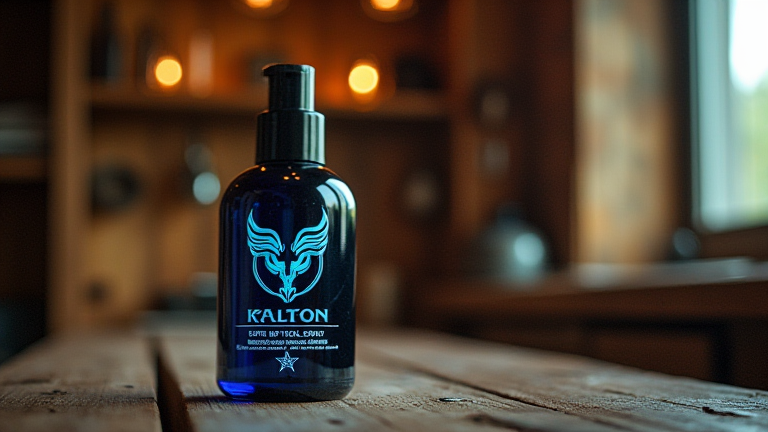
TL;DR: The best leather conditioning and recoloring balms are those specifically formulated for the type of leather you own, such as Chromexcel or aniline. Apply a thin, even layer with a soft cloth, allow it to absorb fully, and buff gently to restore moisture and color without clogging pores.
Leather is a living material that requires regular maintenance to prevent cracking, drying, and fading. Whether you are restoring a vintage jacket, conditioning a luxury handbag, or maintaining your car’s interior, using the right balm is crucial. This guide will walk you through selecting the best products and applying them correctly to ensure longevity and aesthetic appeal.
If you want to dig deeper, check out our guide on Bellroy Card Pocket Wallet Review: Slim, Secure & Stylish.
Choosing the Right Product
Not all balms are created equal. You must identify your leather type before purchasing. For full-grain, vegetable-tanned, or Chromexcel leathers, beeswax-based balms like Bick 4 or Lexol are excellent choices because they penetrate deeply without leaving a heavy residue. If your leather is aniline or semi-aniline, avoid waxy products that can darken the hue significantly. Instead, opt for lightweight conditioners that replenish oils without altering the natural finish. For recoloring, look for balms containing high-quality pigments that match your specific shade. Brands like Angelus and Fiebing’s offer specialized kits that provide both conditioning and color restoration in one step, making them ideal for worn-out boots or bags.
Preparation is Key
Before applying any balm, you must clean the surface thoroughly. Use a dedicated leather cleaner or a mild soap solution to remove dirt, dust, and old polish. Dirt trapped under the balm can cause abrasion and prevent proper absorption. After cleaning, allow the leather to dry completely. This step is non-negotiable, as applying conditioner to damp leather can lead to mold growth or uneven absorption. Once the surface is clean and dry, test your chosen balm on a small, inconspicuous area to check for color changes or adverse reactions. This precaution ensures that the product works well with your specific leather finish.
Application Technique
Apply the balm using a soft, lint-free cloth or your fingers. Use a circular motion to work the product into the leather fibers. Start with a thin layer; you can always add more if needed, but excess product can attract dirt and feel sticky. Focus on high-wear areas like creases, edges, and stitching, which are prone to drying out first. For recoloring balms, apply the product evenly to ensure consistent color coverage. Avoid saturating the leather, as this can lead to oil migration, which causes dark spots and weakens the material structure over time. Let the balm absorb for at least fifteen to thirty minutes. If the leather feels dry after this period, apply a second thin layer.
Buffing and Final Care
Once the balm has fully absorbed, use a clean, dry cloth to buff the surface. This step removes any excess product and brings out a subtle, healthy sheen. Buffing also helps to smooth out the texture and ensures that the leather feels soft to the touch rather than greasy. For a high-gloss finish on formal shoes or bags, consider using a horsehair brush after buffing. Regular maintenance, ideally every three to six months depending on usage, will keep your leather looking pristine. Avoid exposing treated leather to direct sunlight or extreme heat for extended periods, as this can degrade the conditioner and cause fading.
FAQ
Q: Can I use shoe polish on leather bags?
A: No, shoe polish is often too heavy and waxy for delicate leather bags, potentially clogging pores and altering the color permanently.
Q: How often should I condition my leather?
A: Condition leather every three to six months, or whenever it feels dry to the touch, depending on how frequently you use the item.
Q: What should I do if the balm stains my fabric?
A: Immediately blot the area with a clean,
Leave a Reply