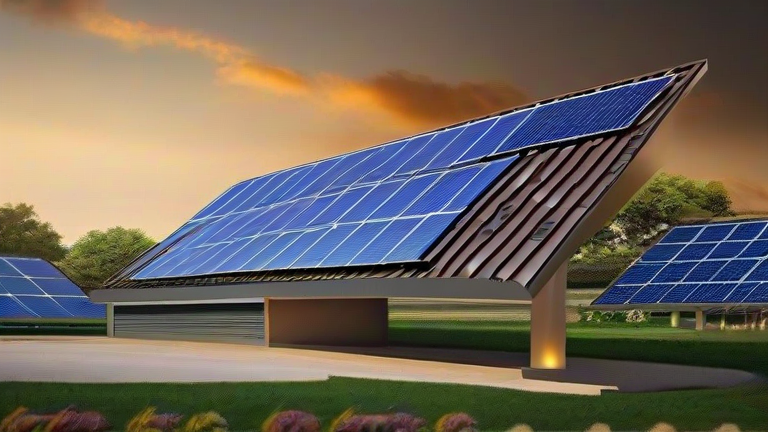
TL;DR: The world’s most efficient solar panel, boasting a record-breaking conversion rate, is officially hitting the retail market this year. This breakthrough promises to significantly lower the cost of renewable energy adoption for both residential and commercial consumers.
A New Era of Photovoltaic Technology
If you want to dig deeper, check out our guide on Top 10 Tech Trends Reshaping the Future in 2024.
The solar energy sector has witnessed a monumental shift with the commercial release of the latest high-efficiency photovoltaic modules. For years, researchers have chased the theoretical limits of silicon-based cells, but this new generation of panels utilizes advanced perovskite-silicon tandem structures to shatter previous records. By stacking a perovskite layer on top of a traditional silicon base, these panels capture a broader spectrum of sunlight, converting more photons into electricity than ever before. This innovation is not merely a lab curiosity; it represents a scalable manufacturing process that brings cutting-edge technology to the mainstream market.
Technical Specifications and Performance Metrics
The standout feature of this new panel is its laboratory-certified efficiency rating, which surpasses the twenty-six percent threshold commonly found in premium commercial modules. While traditional silicon panels typically hover around twenty percent efficiency, this tandem cell design achieves significantly higher power output per square meter. This increased density means that homeowners with limited roof space can generate the same amount of electricity as those with larger installations. Furthermore, the module exhibits superior temperature coefficients, meaning it maintains higher performance levels even during peak afternoon heat, a common issue that plagues standard silicon panels. The durability tests indicate a lifespan exceeding twenty-five years, ensuring that the initial investment pays off through sustained energy production over decades rather than just a few years.
Industry Impact and Market Dynamics
The arrival of this technology is poised to disrupt the existing supply chain and pricing models. As manufacturing processes mature, economies of scale are expected to drive down the cost per watt, making solar power even more competitive against fossil fuels. Installers are already reporting heightened interest from commercial clients who need to maximize energy generation on constrained industrial rooftops. This efficiency leap accelerates the global transition to renewable energy by reducing the land and material footprint required for solar farms. Additionally, it encourages innovation in battery storage integration, as higher daily output allows for better optimization of energy storage systems. The competitive pressure this places on traditional manufacturers will likely spur further R&D investments across the industry, leading to a faster pace of technological advancement. Consumers stand to benefit from lower electricity bills and a reduced carbon footprint, marking a significant step toward a sustainable future. As supply chains stabilize and production ramps up, accessibility will improve, bringing the benefits of this breakthrough to a wider audience. This release signifies a pivotal moment where high-performance technology becomes widely available, transforming the economic viability of solar energy for millions of households and businesses worldwide.
FAQ
Q: When will the most efficient solar panel be available to consumers?
A: The panel is scheduled to go on sale later this year.
Q: How does the efficiency of this new panel compare to traditional ones?
A: It exceeds the standard twenty percent efficiency of traditional silicon panels by utilizing tandem cell technology.
Q: Will this technology reduce the cost of solar energy installation?
A: Yes, higher efficiency reduces the number of panels needed, potentially lowering overall installation costs per watt.
Leave a Reply