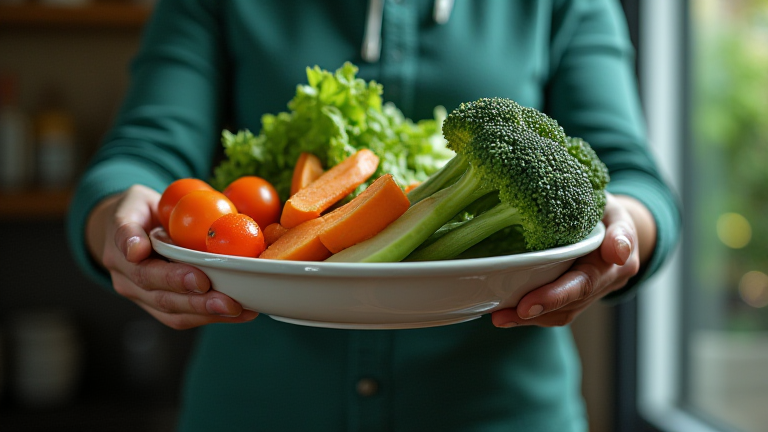
TL;DR: Produce anxiety, the stress surrounding the perfectionism of fresh food selection, actually hinders nutritional intake by creating barriers to entry for healthy eating. We are fixing it by shifting our focus from aesthetic perfection to nutritional density and practical accessibility.
Walk into any modern grocery store, and you are greeted by walls of vibrant, dew-kissed produce. It is a visual feast designed to trigger our primal desire for health and vitality. Yet, for many, this abundance does not spark joy; it sparks dread. This phenomenon, often dubbed “produce anxiety,” is a subtle but significant barrier to a nutritious lifestyle. It manifests as the hesitation to pick up that bruised apple, the guilt over buying organic when it exceeds the budget, or the paralysis of choice when faced with fifty varieties of kale. The result is not just a stressed shopper, but a diet devoid of essential micronutrients. We are here to dismantle this anxiety and reclaim our plates.
If you want to dig deeper, check out our guide on Simple Drip Coffee Maker for BIFL Living.
The Myth of Perfection
The root of produce anxiety lies in the curated perfection of social media and marketing. We are conditioned to believe that healthy food must be pristine, symmetrical, and flawlessly colored. When we deviate from this ideal, we feel a sense of failure before we even reach the checkout counter. However, nutrition science tells a different story. A slightly browned banana is just as rich in potassium and resistant starch as a bright yellow one. A bruised peach may not look pretty on an Instagram post, but its sugar content and vitamin profile remain largely intact. By obsessing over aesthetics, we often discard the most flavorful and nutritious parts of the food. Fixing this requires a mental shift: we must value function over form. When you shop, ask yourself, “Will this nourish my body?” rather than “Does this look magazine-ready?”
Embrace the Frozen Aisle
One of the most effective ways to combat produce anxiety is to expand your definition of “fresh.” The frozen food aisle is a treasure trove of nutritional consistency. Frozen fruits and vegetables are typically harvested at peak ripeness and flash-frozen within hours, locking in nutrients that might degrade during the days-long transit of fresh produce. There is no judgment for buying a bag of frozen spinach or mixed berries. They are convenient, affordable, and often more nutritious than their fresh counterparts that have sat in a truck for a week. Incorporating frozen options reduces the pressure to prep ingredients immediately and eliminates the waste associated with spoiling fresh produce. This practical approach liberates us from the timeline of perishability, allowing us to eat healthily without the constant anxiety of spoilage.
Community and Culture
Finally, we must address the cultural aspect of our food choices. In many cultures, food is communal and celebratory, not a source of individual stress. Reconnecting with the joy of cooking and sharing meals can alleviate the pressure to be perfect. Consider joining a local farmers’ market or a community-supported agriculture (CSA) program. These spaces often prioritize flavor and sustainability over cosmetic perfection. Engaging with farmers and fellow shoppers can normalize the existence of imperfect produce and foster a sense of community around healthy eating. By viewing food as a source of connection rather than a metric of personal worth, we transform the shopping experience from a chore into a celebration of life and culture.
FAQ
Q: Is it safe to eat produce with minor bruises?
A: Yes, minor bruises are simply damaged cells and do not indicate spoilage or safety issues, making them perfectly safe to eat.
Q: How does frozen produce compare to fresh in terms of nutrition?
A: Frozen produce is often more nutritious than fresh because it is processed at peak ripeness, preserving vitamins and minerals that may degrade during transport.
Q: What is one simple way to reduce grocery stress?
A: Focus on buying what you will actually eat within the next few days, rather than trying to stock up on everything, to reduce waste and decision fatigue.
Leave a Reply