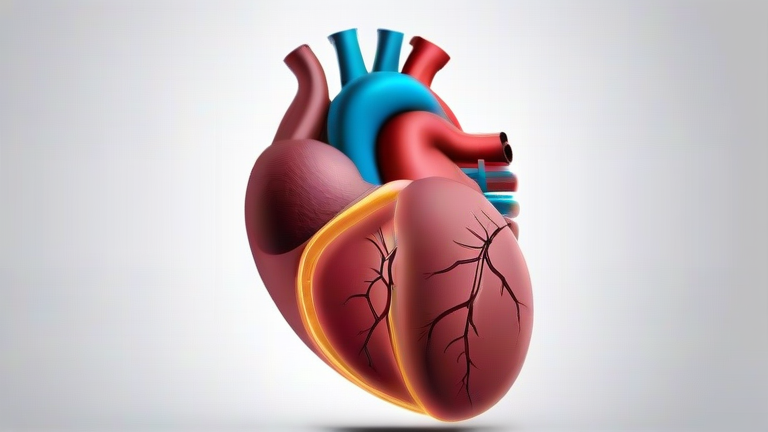
TL;DR: Untreated high blood pressure silently damages vital organs like the heart, kidneys, and brain, making immediate medication crucial for those diagnosed. Medical intervention, combined with lifestyle changes, is the most effective way to prevent catastrophic events such as stroke, heart attack, and kidney failure.
High blood pressure, or hypertension, is often called the “silent killer” because it rarely presents noticeable symptoms until significant damage has already occurred. According to the Centers for Disease Control and Prevention, nearly half of American adults have hypertension, yet only about one in four have it under control. For millions of people, relying solely on willpower or minor diet tweaks is insufficient. When lifestyle modifications alone cannot bring blood pressure down to a safe range, medication is not just an option; it is a medical necessity. Ignoring this condition invites a cascade of severe health complications that can shorten life expectancy and reduce quality of life significantly.
If you want to dig deeper, check out our guide on Top 10 Trends Shaping 2024: What You Need to Know Now.
The Danger of Delay
When blood pressure remains elevated, the force of blood against artery walls causes microscopic tears and inflammation. Over time, arteries become narrow and hardened, a condition known as atherosclerosis. This restricts blood flow to critical organs. The heart must work harder to pump blood, leading to hypertensive heart disease and potential heart failure. Similarly, the kidneys may suffer from reduced filtration capacity, eventually leading to chronic kidney disease or dialysis dependence. Perhaps most frighteningly, the brain is at risk for ischemic or hemorrhagic strokes. Statistics show that uncontrolled hypertension is a leading modifiable risk factor for stroke worldwide. By starting medication now, patients can reverse some vascular damage and drastically lower the risk of these life-threatening events.
Lifestyle Synergy
While medication is essential, it works best when paired with evidence-based lifestyle changes. Think of medication as the shield and lifestyle as the sword. First, adopt the DASH diet, which emphasizes fruits, vegetables, whole grains, and low-fat dairy while reducing saturated fats and sodium. Aim for less than 2,300 milligrams of sodium per day, ideally moving toward 1,500 milligrams. Second, engage in regular aerobic exercise. The American Heart Association recommends at least 150 minutes of moderate-intensity activity, such as brisk walking, per week. Physical activity strengthens the heart, allowing it to pump blood with less effort. Third, manage stress through mindfulness, meditation, or deep-breathing exercises. Chronic stress keeps cortisol levels high, which can temporarily spike blood pressure. Finally, limit alcohol consumption and avoid tobacco products entirely, as nicotine constricts blood vessels and raises pressure immediately.
Conclusion
Taking medication for high blood pressure is a proactive step toward longevity. It is not a sign of weakness but a strategic tool in managing a complex physiological condition. Work closely with your healthcare provider to find the right dosage and type of medication. Regular monitoring at home can provide valuable data for your doctor, ensuring your treatment plan remains effective. Do not wait for symptoms to appear. Protect your heart, brain, and kidneys today by committing to your treatment regimen. The investment in your health now pays dividends in freedom, energy, and peace of mind for decades to come.
FAQ
Q: Can I stop taking my blood pressure medication once I feel better?
A: No, never stop taking prescribed medication without consulting your doctor, as high blood pressure often has no symptoms while still causing damage.
Q: How long does it take for medication to start working?
A: Most blood pressure medications begin to lower pressure within a few hours to weeks, depending on the specific drug and dosage prescribed.
Q: Are there natural supplements that can replace medication?
A: While some supplements like potassium or magnesium may help, they cannot replace prescribed medication for clinical hypertension without medical supervision.
Leave a Reply