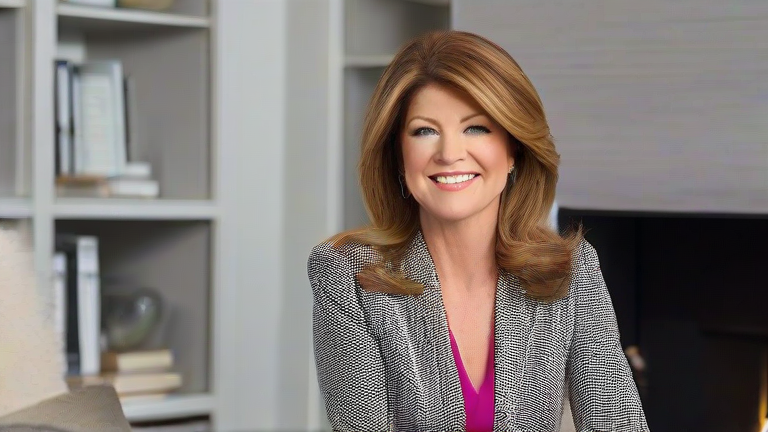
TL;DR: Norah O’Donnell advises consulting a healthcare provider to create a personalized menopause management plan that addresses both physical symptoms and emotional well-being. She emphasizes that lifestyle changes, including diet and exercise, combined with medical support, are key to navigating this transition successfully.
Understanding the Transition

Menopause is a natural biological process that marks the end of menstrual cycles, typically occurring in a woman’s late forties to early fifties. It is a significant life stage that brings about various physical and emotional changes. While the journey is unique for every individual, understanding the common symptoms and available management strategies can empower women to take control of their health. Norah O’Donnell, a respected journalist and mother of three, has openly shared her experiences to help demystify this topic and reduce the stigma surrounding midlife health issues.
Step-by-Step Management Plan
First, schedule a comprehensive health assessment with a qualified healthcare provider. This initial visit is crucial for establishing a baseline of your current health status and discussing specific symptoms such as hot flashes, sleep disturbances, or mood swings. Be honest and detailed about your experiences, as this information will guide the development of a tailored treatment plan. Your provider may recommend blood tests to check hormone levels, although symptoms alone are often sufficient for diagnosis.
Second, prioritize lifestyle modifications that support hormonal balance. Incorporate regular physical activity into your weekly routine, aiming for at least 150 minutes of moderate exercise per week. Activities like walking, yoga, or swimming can help manage weight, improve bone density, and boost mood. Additionally, focus on a nutrient-rich diet that includes plenty of fruits, vegetables, whole grains, and lean proteins. Reducing caffeine and alcohol intake can also help mitigate hot flashes and improve sleep quality.
Third, explore medical interventions if lifestyle changes are insufficient. Hormone replacement therapy (HRT) is a common and effective treatment for severe symptoms, but it is not suitable for everyone. Discuss the benefits and risks with your doctor to determine if HRT is the right choice for you. Non-hormonal medications and supplements may also be recommended to address specific issues like insomnia or anxiety.
Emotional and Social Support
Emotional well-being is just as important as physical health during menopause. Join support groups or online communities where you can connect with other women going through similar experiences. Sharing stories and tips can provide comfort and practical advice. Furthermore, consider seeking professional counseling if you experience persistent depression or anxiety. Therapy can offer valuable coping strategies and a safe space to process emotional changes.
Long-Term Health Maintenance
Once you have established a management plan, consistency is key. Regular follow-up appointments with your healthcare provider will help monitor your progress and adjust treatments as needed. Stay informed about new research and developments in menopause care, but always verify information with medical professionals. Remember that menopause is not a disease but a natural phase of life that requires attention and care to ensure a healthy and vibrant future.
FAQ
Q: What is the average age for menopause?
A: The average age for menopause is 51, but it can occur anywhere between ages 40 and 58.
If you want to dig deeper, check out our guide on Outsourcing Your Brain: Does Cognitive Debt Cause Anxiety?.
Q: Are there natural remedies for hot flashes?
A: Yes, lifestyle changes like cooling your bedroom, wearing layered clothing, and practicing relaxation techniques can help reduce hot flashes.
Q: When should I see a doctor about menopause symptoms?
A: You should see a doctor if symptoms interfere with your daily life, cause significant distress, or if you experience unusual bleeding.
Leave a Reply