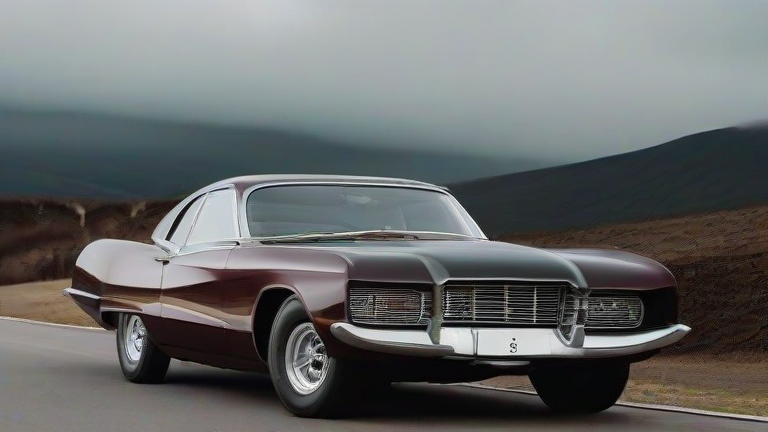
TL;DR: Simple, classic cars are the future of driving because they offer an unparalleled, tactile connection between driver and machine that modern digital interfaces cannot replicate. As technology saturates every aspect of our lives, the desire for analog authenticity and mechanical transparency makes these vehicles essential for mental clarity and mindful travel.
In an era dominated by touchscreens, autonomous assistance, and complex digital ecosystems, the allure of the simple, classic car is not merely nostalgic—it is a necessary counterbalance to modern technological fatigue. We are living in an age of information overload, where every interaction is mediated by algorithms designed to capture attention rather than provide presence. Driving a classic car strips away these layers of digital noise, returning the act of transportation to its fundamental roots: a mechanical dialogue between human intent and machine response. This shift is not just about transportation; it is a profound exercise in mindfulness and personal growth.
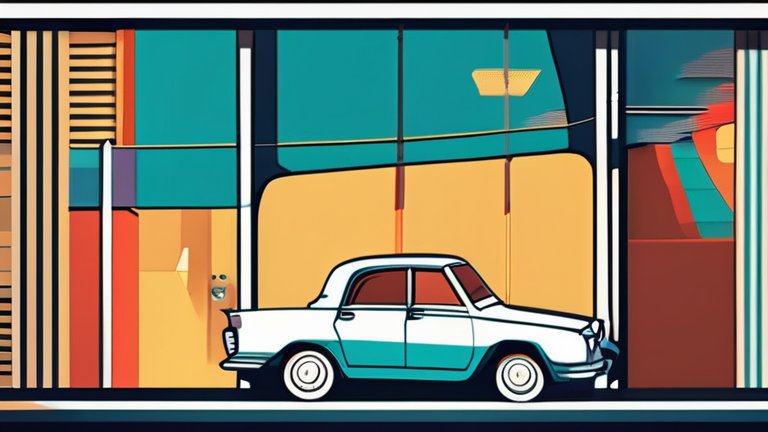
When you sit behind the wheel of a vehicle from the mid-twentieth century, you are not merely operating a device; you are engaging in a ritual. The heavy clutch, the precise gear shifts, and the responsive steering wheel require full attention and physical engagement. There are no screens to glance at, no alerts to ignore. This forced focus creates a meditative state, often referred to as “flow,” where the driver becomes entirely present in the moment. For many enthusiasts, this is not just a hobby but a form of active meditation. It teaches patience, precision, and a deep appreciation for mechanical integrity. As we strive for personal growth in our fast-paced world, cultivating this ability to slow down and engage deeply with our surroundings is invaluable.
The travel experience itself is transformed when you drive a classic car. Modern highways are often designed for efficiency, encouraging speed and distraction. In contrast, classic cars invite a slower, more deliberate pace. You notice the landscape differently. The wind feels different, the sounds of the road are distinct, and the journey becomes as important as the destination. This aligns perfectly with the philosophy of slow travel, which emphasizes meaningful connections with local cultures and environments. Instead of rushing to the next landmark, you stop to admire the architecture, chat with locals, and savor the journey. The car becomes a portal to a slower, more intentional way of living.
Food culture also intersects with this lifestyle. The stops required by classic cars often lead to authentic, local diners and family-run eateries that lack the digital menus of chain restaurants. You engage with the community, discovering flavors and stories that would remain hidden if you were speeding past in a silent, electric vehicle. This culinary exploration is enriched by the shared passion for the machine, creating instant connections with fellow travelers and locals alike. The culture of car shows and rallies further fosters a sense of community, where knowledge is shared, and friendships are built over a mutual appreciation for history and craftsmanship.
Ultimately, the future of driving is not about abandoning technology but about integrating balance. Classic cars offer a sanctuary from the digital world, providing a space for reflection, skill development, and genuine human connection. They remind us that driving can be a joyful, engaging, and deeply personal experience. As we look forward, the preservation and enjoyment of these simple machines offer a crucial antidote to the complexity of modern life. They teach us to value simplicity, to appreciate the tangible, and to find joy in the act of being present. In a world that constantly demands our attention, the classic car gives it back to us, one mindful turn at a time.
FAQ
Q: Are classic cars practical for daily commuting?
A: While not ideal for long highway commutes due to fuel efficiency and lack of modern safety features, many owners use them for short, local trips to preserve the vehicles and enjoy the driving experience.
If you want to dig deeper, check out our guide on 10 Lifestyle Hacks to Boost Your Daily Happiness and Wellnes.
Q: Is maintaining a classic car expensive?
A: Costs vary widely; basic models can be affordable, but rare or high-performance classics require significant investment in parts and specialized mechanics, so budgeting is essential.
Q: Can I still enjoy technology in a classic car?
A: Yes, many owners
Leave a Reply