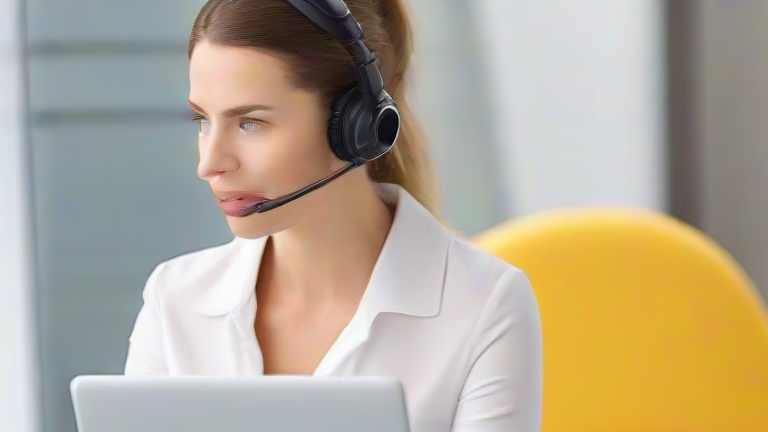
Boost Focus for Remote Workers with Neurofeedback Headsets
In the rapidly evolving landscape of remote work, maintaining deep concentration has become both the most valuable skill and the most difficult challenge to master. As home offices blend with living spaces, distractions abound, from household chores to digital notifications. Enter the era of biohacking for productivity: neurofeedback headsets. These innovative devices, once reserved for clinical settings, are now accessible to everyday professionals seeking to reclaim their mental clarity and enhance their work-from-home efficiency. This review explores how these technologies can transform your daily workflow and why they might be the missing link in your productivity arsenal.
How Neurofeedback Works for Daily Productivity
At its core, neurofeedback utilizes electroencephalography (EEG) sensors to monitor brainwave activity in real-time. Unlike traditional meditation apps that guide you through audio cues, neurofeedback headsets provide direct visual or auditory feedback based on your actual brain states. When you achieve a state of focused attention, the device rewards you with positive feedback, such as a game progressing smoothly or music playing clearly. Conversely, distraction results in immediate, subtle interruptions. This operant conditioning helps train your brain to recognize and sustain states of high focus, effectively creating a mental muscle memory for concentration that persists even after the headset is removed.
If you want to dig deeper, check out our guide on FDA Approves CRISPR Therapies for Common Diseases.
Feature Highlights and User Experience
Modern neurofeedback headsets have shed their bulky, medical appearance for sleek, consumer-friendly designs. Key features include lightweight, comfortable headbands that fit securely during long coding sessions or video calls, and intuitive mobile applications that track progress over weeks and months. Users report significant improvements in their ability to enter “flow states” quickly. The devices often include pre-set programs tailored for different tasks, such as “Deep Focus” for analytical work and “Creative Flow” for brainstorming sessions. Additionally, many models offer data dashboards that allow users to analyze their focus patterns, identifying times of day when their brains are naturally most alert.
Comparing Top Contenders in the Market
When evaluating the current market leaders, two brands stand out for their distinct approaches. Brand
Leave a Reply