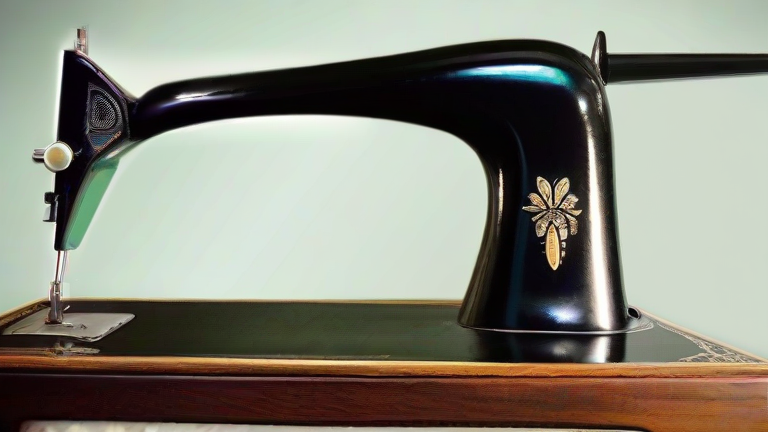
TL;DR: Restoring a vintage sewing machine is a rewarding hobby that combines mechanical problem-solving with creative expression. This process offers significant mental health benefits by reducing stress and providing a tangible sense of accomplishment through hands-on engagement.
The Therapeutic Power of Tactile Restoration
In an era dominated by digital screens and rapid consumption, the act of restoring a vintage sewing machine offers a profound counter-narrative. It is not merely about repairing a mechanical device; it is a practice in mindfulness, patience, and tactile engagement. When you sit down to clean the oil channels, replace the belt, or re-thread the complex path of a 1950s Singer or Bernina, you are engaging in a form of active meditation. The rhythmic nature of manual work, combined with the focus required to understand intricate mechanical systems, lowers cortisol levels and induces a state of flow. This state, characterized by deep immersion and loss of self-consciousness, is scientifically linked to reduced anxiety and improved mood.

Science-Backed Benefits for Mental Clarity
Research in occupational therapy and psychology suggests that hands-on crafts can significantly improve cognitive function. Restoring an old machine requires fine motor skills, spatial reasoning, and sequential memory. Each step, from disassembling the bobbin case to aligning the needle bar, demands attention to detail. This cognitive engagement acts as a workout for the brain, potentially slowing age-related cognitive decline. Furthermore, the tactile sensation of metal, thread, and fabric provides sensory grounding. For individuals dealing with sensory overload from modern life, the specific, controlled sensory input of sewing is calming and regulating. It shifts the brain from the default mode network, often associated with rumination and worry, to the task-positive network, which is focused on external actions.
Lifestyle Tips for a Sustainable Hobby
Incorporating this hobby into your lifestyle promotes sustainability and intentional living. Instead of discarding broken items, you are extending the lifecycle of a durable good. This shift in mindset encourages resourcefulness and reduces the environmental impact of fast fashion and disposable goods. Start small by cleaning and oiling the machine rather than attempting a full restoration immediately. Use natural cleaners like mineral spirits for grime and high-quality sewing machine oil for lubrication. Keep a journal of your progress. Documenting the steps you take not only helps with future maintenance but also creates a narrative of achievement. Join online communities where enthusiasts share troubleshooting tips and stories. This social connection combats isolation and fosters a sense of belonging among those who value craftsmanship over convenience.
Conclusion
Restoring a vintage sewing machine is more than a DIY project; it is a holistic wellness practice. It blends the physical act of creation with the mental benefits of focused attention. By engaging with these mechanical artifacts, we reconnect with a slower, more deliberate pace of life. The result is not just a functional machine ready for stitching, but a mind that is calmer, more focused, and creatively rejuvenated. Embrace the challenge of the rust and the complexity of the gears. In doing so, you find that the true restoration is not just of the machine, but of your own peace of mind in a chaotic world.
FAQ
Q: Is it difficult to restore a vintage sewing machine for beginners?
A: While it requires patience, basic restoration involves simple cleaning and oiling that beginners can manage with online tutorials and community guides.
If you want to dig deeper, check out our guide on How to Install a WordPress Plugin: Step-by-Step Tutorial.
Q: How does working with mechanical repairs affect mental health?
A: It reduces stress by inducing a flow state, lowering cortisol levels, and providing a tangible sense of accomplishment through focused, hands-on problem-solving.
Q: What is the best way to clean a vintage machine without damaging it?
A: Use mineral spirits for heavy grime and high-quality sewing machine oil for lubric
Leave a Reply