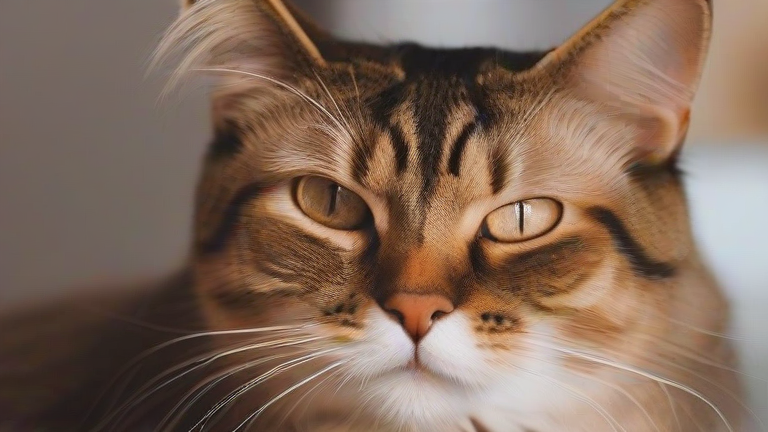
TL;DR: The best Fancy Feast alternatives include wet foods from brands like Tiki Cat, Wellness CORE, and Smalls for High Pet Foods, which prioritize high protein and low carbohydrates. These science-backed options support feline hydration, dental health, and optimal weight management by mimicking their natural carnivorous diet.
Why Switch from Fancy Feast?

While Fancy Feast has long been a pantry staple due to its affordability and variety, many holistic veterinarians recommend transitioning cats to higher-quality diets. Modern feline nutrition science emphasizes that cats are obligate carnivores, requiring diets rich in animal-based proteins and low in fillers like corn, wheat, and soy. Many budget-friendly paté formulas contain excessive carbohydrates and artificial preservatives, which can contribute to obesity, diabetes, and urinary tract issues over time.
Top 7 Science-Backed Alternatives
1. **Tiki Cat Luau**: Grain-free and high in moisture, this brand uses human-grade meats. The texture variety helps with hydration, crucial for kidney health.
2. **Wellness CORE Natural Wet**: Formulated with high protein content (up to 85% animal ingredients), it supports lean muscle mass without artificial colors or flavors.
3. **Smalls for High Pet Foods**: Human-grade, fresh-cooked meals delivered frozen. This lifestyle-friendly option reduces processing, preserving nutrient density and enhancing palatability.
4. **Ziwi Peak**: Air-dried or wet options made with New Zealand grass-fed meats. It is grain-free and free from fillers, offering a biologically appropriate diet.
5. **Feline Natural**: A freeze-dried raw option that requires only water to rehydrate. It maximizes nutrient retention, providing a raw-like experience for picky eaters.
6. **Instinct Raw Boost**: Combines wet food with freeze-dried raw pieces. This hybrid approach increases protein intake and encourages natural hunting behaviors.
7. **Open Farm**: Transparent sourcing with ethically raised meats. Their wet food supports gut health with added probiotics and omega fatty acids for shiny coats.
Lifestyle Tips for Transitioning
Changing your cat’s diet requires patience. Gradually mix the new food with the old, increasing the ratio over 7–10 days to prevent digestive upset. Monitor your cat’s hydration levels closely, as wet food significantly contributes to daily water intake. Always consult your veterinarian before making significant dietary changes, especially for cats with existing health conditions.
FAQ
Q: Is wet food better than dry food for cats?
A: Yes, wet food is generally superior because it provides essential hydration and aligns better with a cat’s natural low-carb, high-protein diet, reducing the risk of obesity and kidney disease.
If you want to dig deeper, check out our guide on Top 10 Benefits of Our Best-Selling Product in 2024.
Q: How do I transition my cat to a new food?
A: Transition gradually over 7–10 days by mixing small amounts of the new food with the old, increasing the new food’s proportion each day to avoid gastrointestinal distress.
Q: Are grain-free diets necessary for cats?
A: While not strictly necessary for all cats, grain-free diets are often recommended to avoid fillers and high carbohydrate loads that can lead to weight gain and diabetes in sedentary indoor cats.
Leave a Reply