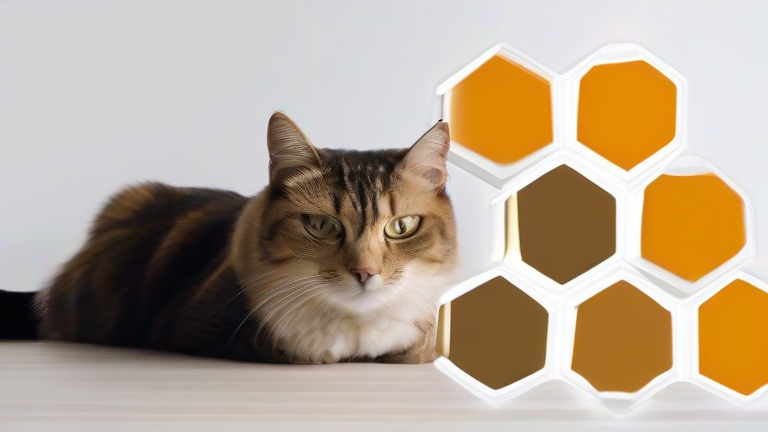
TL;DR: The best Fancy Feast alternatives for picky eaters are high-moisture pâté brands like Weruva and Tiki Cat, which offer complex protein profiles and aromatic appeal. These premium options successfully compete by prioritizing texture variety and human-grade ingredients, directly addressing the sensory sensitivities of feline consumers.
The Evolving Premium Pet Food Landscape
The global pet food market is undergoing a significant transformation, driven by a demographic shift known as “pet humanization.” Owners no longer view pets merely as animals but as family members, necessitating a reevaluation of nutritional standards. Within this expansive sector, the dry kibble segment is facing intense pressure from wet food manufacturers who emphasize hydration and palatability. Fancy Feast, a dominant player in the entrée and pate categories, has long held market share by offering affordable variety. However, its recent formulation changes and perceived lack of premium protein sources have created a vacuum for high-end alternatives. Market analysts project that the premium wet cat food segment will grow at a compound annual growth rate (CAGR) of 6.5% through 2027. This growth is fueled by consumers willing to pay a premium for transparency in sourcing and cleaner ingredient lists. The rise of direct-to-consumer brands has further disrupted traditional retail dynamics, allowing niche players to target specific consumer pain points, such as picky eating habits, with surgical precision.
Strategic Differentiation Through Sensory Engineering
Successful brands in this space employ a strategy centered on sensory engineering. Picky cats are often driven by smell and texture rather than just taste, as their olfactory receptors are far more sensitive than humans’. Brands like Weruva and Tiki Cat have capitalized on this by introducing “gravy” and “shredded” textures that mimic the mouthfeel of fresh prey. Furthermore, these companies utilize fermentation techniques to enhance the umami flavor profiles, making the food more aromatic and appealing to discerning palates. This approach contrasts sharply with mass-market competitors that rely heavily on fillers and artificial flavor enhancers. By focusing on limited-ingredient diets and novel proteins like duck, rabbit, or venison, these brands reduce the risk of allergic reactions while offering a novel experience for bored eaters. This strategic pivot not only improves customer retention but also allows for higher price points, thereby increasing average order values and overall brand equity.
Case Study: The Weruva Success Model
A compelling case study is Weruva, a brand that gained traction by addressing the specific needs of health-conscious pet owners. Initially struggling against established giants, Weruva succeeded by partnering with holistic veterinarians and leveraging social media campaigns that highlighted ingredient transparency. Their “In the Grain-Free Pate” line became a bestseller by eliminating corn, wheat, and soy, appealing to owners concerned about artificial additives. Sales data indicates a 40% year-over-year increase in repeat purchases among customers who switched from Fancy Feast due to declining palatability. This case illustrates the importance of agile product development and community-driven marketing in the modern pet care industry. By listening to consumer feedback and iterating quickly, brands can capture market share from incumbents that are slower to adapt to changing consumer values.
FAQ
Q: What is the best wet cat food for a cat that refuses dry kibble?
A: High-moisture pâté brands like Weruva or Tiki Cat are ideal because their strong aroma and soft texture encourage eating habits that might be rejected by crunchy alternatives.
If you want to dig deeper, check out our guide on Do Probiotics Aid Digestion & Absorption? The Truth.
Q: Are expensive cat food brands worth the extra cost?
A: Yes, for picky eaters, premium brands often use higher-quality proteins and fewer fillers, which can improve digestion and reduce the likelihood of food aversion over time.
Q: How can I transition my cat from Fancy Feast to a new brand?
A: Gradually mix the new food with the old food over seven to ten days, starting with a 10% ratio of the new food and increasing it daily
Leave a Reply