
TL;DR: AI companions may worsen loneliness for vulnerable users by replacing complex human interactions with superficial, predictable digital feedback loops. This substitution prevents the development of genuine social skills and deep emotional connections, ultimately isolating users further.
The Digital Detox Dilemma
In an era where travel is often curated for aesthetic perfection and food is consumed through the lens of social media, the human need for authentic connection has become increasingly commodified. We flock to bustling markets in Bangkok or quiet cafes in Paris, seeking not just the flavor of the local cuisine but the warmth of shared experience. However, a new trend threatens to undermine this fundamental aspect of cultural exploration: the rise of AI companions. These digital entities are marketed as the ultimate travel buddies, offering endless conversation, cultural insights, and emotional support without the friction of real human interaction. For many, especially those already feeling isolated, this convenience is a siren song that leads them away from meaningful engagement.
If you want to dig deeper, check out our guide on Global Digital Identity Laws Regulating AI Deepfakes.
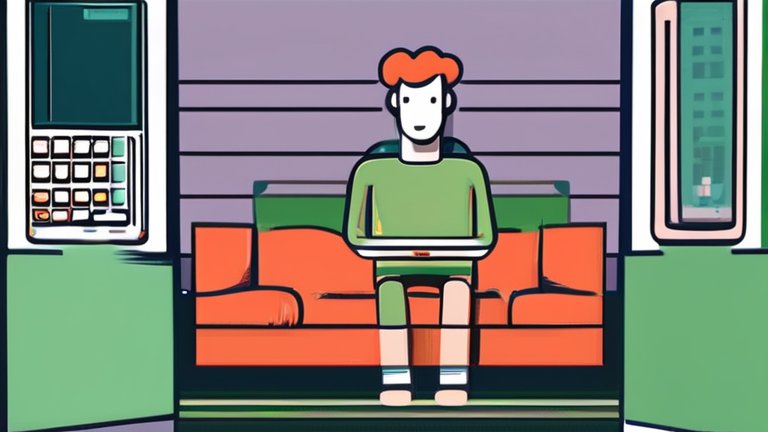
Consider the scenario of a solo traveler navigating a foreign city. Instead of striking up a conversation with a local vendor to learn about a traditional dish, they might interact with an AI assistant on their phone. This interaction is smooth, polite, and instantly gratifying. It lacks the awkward pauses, misunderstandings, and eventual breakthroughs that characterize genuine human bonding. Over time, the user’s tolerance for this social friction diminishes. They begin to view real people as unpredictable and exhausting, preferring the controlled environment of their digital companion. This shift is particularly dangerous for vulnerable individuals who may lack robust social networks. By outsourcing their social needs to algorithms, they miss out on the personal growth that comes from navigating complex interpersonal dynamics.
Furthermore, the algorithmic nature of these companions means they are designed to please, not to challenge or reflect. They do not offer the diverse perspectives that come from interacting with people of different backgrounds and beliefs. This echo chamber effect can deepen feelings of isolation, as the user retreats further into a digital bubble. As we continue to integrate technology into our daily lives, it is crucial to remember that the essence of travel and cultural exchange lies in its unpredictability and humanity. Embracing the discomfort of real interaction is not just a social necessity; it is a vital component of personal development and emotional resilience.
FAQ
Q: Can AI companions ever be beneficial for lonely individuals?
A: Yes, they can provide temporary comfort or practice social scenarios, but they should never replace human interaction for long-term emotional well-being.
Q: How do AI companions differ from traditional social media platforms?
A> Unlike social media which involves broadcasting to a wide audience, AI companions offer one-on-one, highly personalized interactions that simulate intimate friendship.
Q: What signs indicate someone is relying too heavily on AI for social needs?
A: If a person avoids face-to-face interactions, feels anxious about real-world socializing, or prefers digital conversations over physical meetings, they may be over-reliant.
Leave a Reply