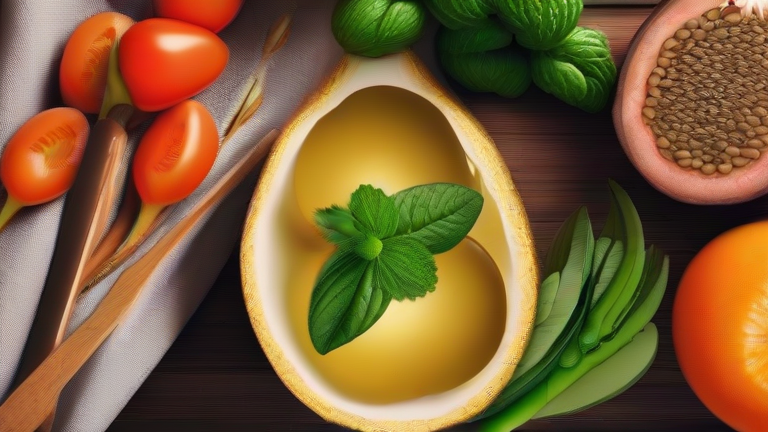
TL;DR: A whole food plant-based diet is right for you if you seek improved metabolic health and environmental sustainability, provided you commit to careful nutritional planning. However, it may not be suitable for those with specific digestive sensitivities or limited access to fresh produce.
Determining Your Suitability
Before diving into this lifestyle shift, assess your current health goals and dietary habits. This approach emphasizes fruits, vegetables, legumes, whole grains, nuts, and seeds while minimizing processed foods, oils, and animal products. If you feel sluggish after meals or struggle with inflammation, this diet could offer significant relief. Conversely, if you have a history of disordered eating or severe food restrictions, consult a professional first.
If you want to dig deeper, check out our guide on High-Risk Payment Processors: Who Accepts High-Risk Merchant.
Step-by-Step Transition Guide
Step 1: Educate Yourself. Understand the core principles. Focus on nutrient density rather than calorie counting. Learn which plant foods provide essential nutrients like protein, iron, and calcium.

Step 2: Start Gradually. Do not change everything overnight. Begin by replacing one meal a day with a plant-based option. For example, swap your morning cereal for oatmeal with berries and flaxseeds. This reduces cognitive load and makes the transition sustainable.
Step 3: Master Meal Prep. Dedicate two hours weekly to chopping vegetables and cooking grains. Having pre-prepared ingredients reduces reliance on convenient, less healthy options when you are tired or busy. Focus on simple recipes like lentil soups, quinoa salads, and roasted vegetable bowls.
Step 4: Monitor Your Nutrition. Pay attention to vitamin B12, vitamin D, omega-3 fatty acids, and iron. Consider a B12 supplement, as it is difficult to obtain from plants alone. Regular blood tests can help you monitor these levels effectively.
Essential Tips for Success
Experiment with spices and herbs to enhance flavor without adding excessive salt or sugar. Read labels carefully to avoid hidden animal derivatives and refined sugars. Join online communities for support and recipe sharing. Finally, listen to your body. If you feel energetic and satisfied, you are on the right track.
FAQ
Q: Is this diet suitable for athletes?
A: Yes, many elite athletes thrive on plant-based diets by ensuring adequate protein intake from legumes, tofu, and tempeh.
Q: Will I lose weight automatically?
A: Weight loss often occurs due to lower calorie density, but overeating healthy fats like nuts can still lead to weight gain if portions are not managed.
Q: How do I get enough protein?
A: Combine various plant sources like beans, lentils, quinoa, and edamame throughout the day to ensure you meet your daily protein requirements effectively.
Leave a Reply