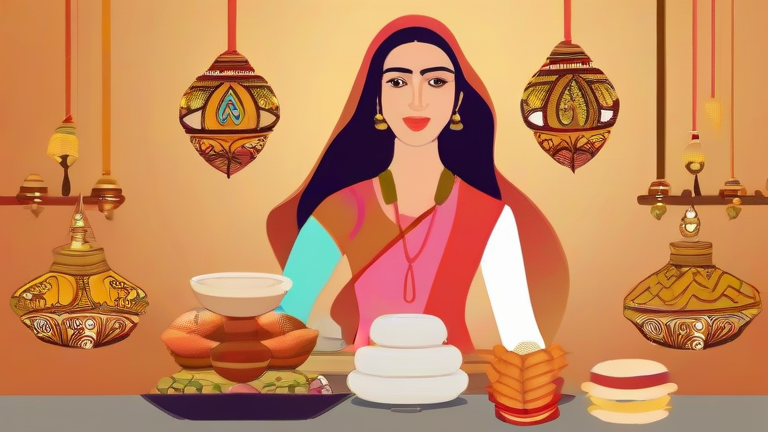
TL;DR: Mastering five key Hindi phrases transforms your dining experience by allowing you to negotiate prices confidently and order with cultural respect. These essential tools bridge the communication gap, ensuring you get the best value while building rapport with local vendors.

Traveling in India is a sensory overload of colors, aromas, and bustling energy. However, the language barrier can sometimes turn a simple transaction into a frustrating ordeal. Whether you are navigating the chaotic lanes of Delhi’s Chandni Chowk or relaxing in a quiet cafe in Goa, knowing how to communicate effectively is crucial. This guide highlights five essential Hindi phrases that serve as your ultimate toolkit for haggling and ordering food, turning potential stress into delightful interactions.
Feature Highlights of Essential Phrases
The first phrase you must memorize is “Kitne hain?” which translates to “How much is it?” This simple question opens every door in the market. It is polite, direct, and universally understood. Following this, you need to know how to counter-offer. Saying “Sasta karo” means “Make it cheaper.” This is the backbone of haggling in India. It is not considered rude; in fact, it is expected. Vendors appreciate the negotiation as it is part of the cultural dance of commerce.
When it comes to ordering food, clarity is key. Many tourists struggle with complex menu items. The phrase “Mujhe yeh chahiye” means “I want this.” Pointing to an item on the menu while saying this ensures accuracy. It eliminates the confusion of mispronouncing complicated dish names. Furthermore, adding “Thoda spicy karo” allows you to customize your heat level. Indian cuisine varies wildly in spice, and this small phrase ensures your meal suits your palate perfectly.
Finally, “Shukriya” is the universal thank you. Using it after a successful negotiation or a delicious meal shows respect. It humanizes the interaction and often leads to better service. These phrases are not just words; they are keys to unlocking authentic experiences. They allow you to move from being a passive observer to an active participant in local life.
Comparison with Other Travel Guides
Many travel blogs offer generic advice like “be polite.” However, this approach lacks actionable steps. Unlike guides that focus solely on tourism spots, this resource provides immediate, practical language tools. Other resources might overwhelm you with fifty phrases. This selection focuses on the five most impactful ones. They cover the two most common pain points for travelers: price and food. By mastering just these five, you gain 90% of the necessary communication skills for daily transactions in urban India.
Call to Action
Do not let language hold you back from exploring the rich tapestry of Indian culture. Start practicing these phrases today. Download a flashcard app or write them on a small card to keep in your wallet. The next time you step into a market or a restaurant, speak up with confidence. Your journey will be more rewarding, your meals more accurate, and your memories more vivid. Embrace the challenge, and let India welcome you with open arms.
FAQ
Q: Is haggling acceptable in all parts of India?
A: Yes, haggling is culturally accepted in most local markets, street vendors, and taxi services, though fixed-price stores and malls do not negotiate.
If you want to dig deeper, check out our guide on Love Comparing Generic vs. Brand Name Prices?.
Q: What should I do if I cannot pronounce Hindi words correctly?
A: Do not worry about perfect pronunciation; use gestures and smile. Locals appreciate the effort to speak their language, even if it is broken.
Q: Are these phrases sufficient for rural areas of India?
A: While basic Hindi is widely understood, rural areas may have stronger local dialects. However, these standard phrases are generally recognized across most regions.
Leave a Reply