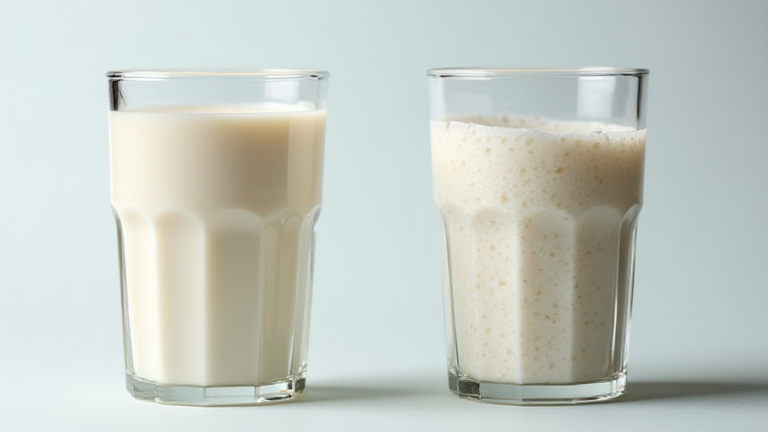
TL;DR: Greek yogurt contains approximately 10 grams of protein per 100g, significantly higher than buttermilk’s 3.2 grams per 250ml. However, buttermilk offers more calcium and vitamin A per serving, making it a superior choice for bone health and skin vitality, while Greek yogurt wins for muscle repair and satiety.
The Nutritional Face-Off
In the dynamic dairy aisle, two fermented staples dominate consumer choices: Greek yogurt and buttermilk. Understanding their nutritional profiles is crucial for health-conscious consumers and savvy business strategists alike. Greek yogurt, strained to remove whey, delivers a dense concentration of protein and probiotics. Conversely, traditional buttermilk, the liquid remainder of churned butter, provides a lighter, tangy alternative rich in electrolytes and essential vitamins. This comparison highlights not just taste preferences but distinct health benefits that drive modern dietary trends.
Market Analysis and Consumer Trends
The global fermented dairy market is experiencing robust growth, driven by increasing awareness of gut health. According to recent industry reports, the Greek yogurt segment has seen a compound annual growth rate (CAGR) of over 5% in the last decade. Consumers are increasingly seeking high-protein snacks that support fitness goals and weight management. Meanwhile, buttermilk is making a resurgence in premium beverages and culinary applications, particularly in plant-based and dairy-free alternatives, although traditional buttermilk remains a niche but loyal market segment. The shift towards functional foods means brands must communicate clear health benefits to capture market share.

Strategic Insights for Brands
Brands leveraging these products should focus on differentiation through flavor innovation and health positioning. For Greek yogurt, emphasizing protein content and low sugar levels appeals to the fitness demographic. Marketing campaigns should highlight versatility in smoothie bowls and savory dips. For buttermilk, positioning it as a natural digestive aid and a low-calorie beverage option can attract health-conscious millennials. Strategic partnerships with fitness influencers and culinary experts can amplify brand visibility. Additionally, sustainable packaging and transparent sourcing are becoming key decision factors for modern consumers, requiring brands to adopt eco-friendly practices.
Case Studies in Innovation
Consider the success of a leading Greek yogurt brand that introduced a line of high-protein, low-sugar options, resulting in a 20% increase in sales among gym-goers. Another case involves a traditional dairy cooperative that revitalized buttermilk by creating ready-to-drink flavored versions, tapping into the growing demand for natural, preservative-free beverages. These examples illustrate how understanding consumer needs and adapting product offerings can lead to significant market penetration and brand loyalty. By focusing on niche segments and clear value propositions, companies can thrive in a competitive landscape.
FAQ
Q: Which is better for muscle building, Greek yogurt or buttermilk?
A: Greek yogurt is superior for muscle building due to its significantly higher protein content per serving compared to buttermilk.
If you want to dig deeper, check out our guide on How AI is Transforming Cybersecurity: The Shift to AI-Driven.
Q: Is buttermilk lower in calories than Greek yogurt?
A: Generally, yes, as 250ml of buttermilk contains fewer calories than 100g of full-fat Greek yogurt, though low-fat options vary.
Q: Can buttermilk be used as a direct substitute for Greek yogurt in recipes?
A: No, they have different consistencies and acidities; buttermilk is thinner and more liquid, affecting texture in baking and cooking.
Leave a Reply