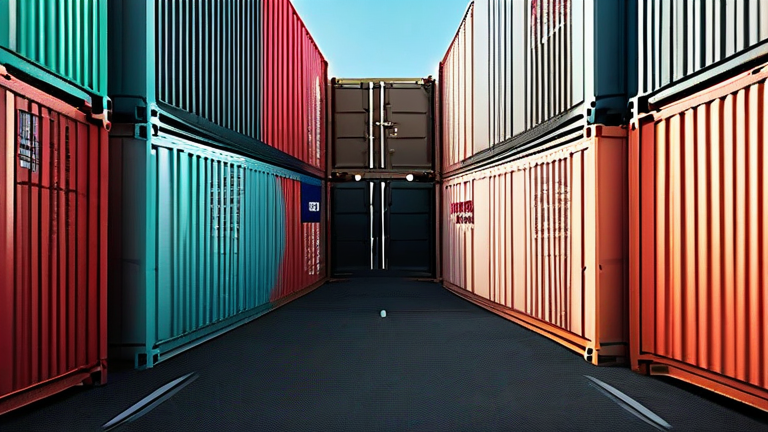
TL;DR: Yes, you can absolutely test your tracking service with shipping containers to ensure real-world reliability. This method validates GPS accuracy, latency, and durability under rigorous logistical conditions.
Test Your Tracking Service with Shipping Containers
In the modern logistics landscape, visibility is not just a convenience; it is a necessity. As supply chains become increasingly global and complex, the demand for precise, real-time data regarding the location and condition of goods has never been higher. For developers and logistics providers, the ultimate benchmark for a tracking solution is not a controlled laboratory environment, but the chaotic, unpredictable reality of international shipping. This is why testing your tracking service with actual shipping containers is the gold standard for ensuring robust performance.
When you deploy tracking hardware inside a standard 20-foot or 40-foot intermodal container, you are subjecting your technology to the harshest possible conditions. These containers travel thousands of miles via ocean freight, endure extreme temperature fluctuations, and face significant physical vibrations and shocks. By observing how your service performs during these transit phases, you gain invaluable insights into connectivity issues, battery life efficiency, and data synchronization speeds. This level of testing reveals potential blind spots in your coverage map and helps you optimize your algorithms for low-bandwidth environments, which are common in open ocean transit.
Feature Highlights
The core features that make container-based testing indispensable include real-time geolocation updates, environmental monitoring, and predictive analytics. Modern trackers integrated into containers provide continuous location data via satellite or cellular networks, ensuring that stakeholders know exactly where their cargo is at any given moment. Furthermore, advanced sensors monitor temperature, humidity, and shock events, providing a comprehensive view of the cargo’s safety. This data is crucial for industries dealing with perishable goods or high-value electronics, where even minor environmental deviations can result in significant financial losses.
Comparison with traditional barcode scanning highlights the superiority of IoT solutions. While barcodes require line-of-sight scanning and offer only static data points, active tracking provides continuous, dynamic updates. Unlike passive RFID systems, which have limited range, active GPS trackers function globally, offering unparalleled visibility across multiple transport modes, from truck to ship to rail. This seamless integration ensures that data flows smoothly through the supply chain, reducing administrative overhead and minimizing the risk of lost or misrouted shipments.
Why It Matters
Implementing rigorous testing protocols with shipping containers allows you to identify and rectify issues before they impact your customers. It builds trust and reliability, which are critical components in the logistics industry. Customers expect transparency and accuracy, and failing to meet these expectations can lead to contract losses and reputational damage. By proactively testing your service, you demonstrate a commitment to quality and innovation, setting your company apart from competitors who rely on less comprehensive testing methods.
Call to Action
Are you ready to elevate your logistics tracking capabilities? Do not wait for a crisis to reveal the weaknesses in your system. Start testing your tracking service with shipping containers today. Partner with leading hardware providers to deploy pilot programs, gather data, and refine your algorithms. Visit our website to schedule a consultation and discover how our comprehensive testing solutions can transform your supply chain visibility. Take the first step towards a more efficient, reliable, and transparent logistics network. Your customers are waiting for better service, and your business is waiting for the competitive edge. Don’t let poor tracking hold you back. Embrace the future of logistics by validating your technology in the real world. Contact us now to learn more about our container testing services and start your journey towards unparalleled operational excellence.
FAQ
Q: How long does it take to test a tracking service with a shipping container?
A: Testing typically requires a full transit cycle, which can take anywhere from two weeks to two months depending on the shipping route and destination.
If you want to dig deeper, check out our guide on FDA Approves Lab-Grown Meat for Retail Sale: What It Means.
Q: What specific data points should I monitor during container testing?
A: You should monitor real-time location coordinates, battery levels, temperature, humidity, shock events, and network connectivity stability throughout the journey.</p
Leave a Reply