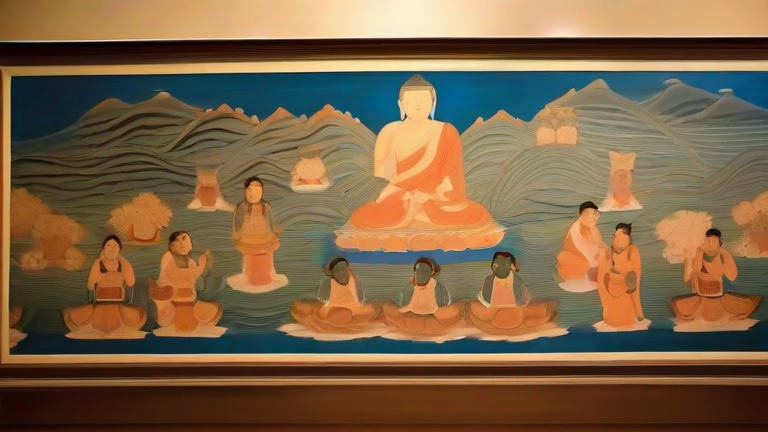
TL;DR: The Mogao Caves, also known as the Thousand Buddha Grottoes, are located near Dunhuang in Gansu Province, China. They house the world’s largest and most significant collection of ancient Buddhist art, featuring thousands of statues and colorful murals spanning a thousand years.
A Journey Through Time in the Desert
Traveling to the edge of the Gobi Desert, you arrive in Dunhuang, a historic oasis city that once served as the eastern gateway to the Silk Road. Here, nestled against the echoing sand dunes of Mingsha Mountain, lies the Mogao Caves. This UNESCO World Heritage site is not merely a tourist destination; it is a spiritual sanctuary preserved in stone and pigment. Walking through these caves feels like stepping into a living library of human history, where every brushstroke tells a story of faith, trade, and cultural exchange.
If you want to dig deeper, check out our guide on AI Agents Automate Complex Enterprise Workflows.
Immersive Culture and Art
The caves contain over 45,000 square meters of murals and nearly 2,000 painted clay sculptures. These artworks span from the 4th century to the 14th century, offering an unparalleled visual encyclopedia of Buddhist cosmology, daily life, and fashion from ancient China. The vibrant colors, despite the ravages of time, still captivate visitors. You will see celestial beings dancing, merchants trading goods, and families worshipping, all rendered with exquisite detail. This artistic legacy highlights the profound influence of Buddhism on Chinese culture and its integration with local traditions.
Gastronomic Delights of Dunhuang
After a day of contemplation, your journey continues into the heart of Dunhuang’s culinary scene. The food here is a reflection of the region’s nomadic and agricultural heritage. You must try the local lamb, known for its tenderness and lack of gamey odor, often roasted whole or simmered in hearty stews. Don’t miss the Dunhuang noodles, thick and chewy, served in a rich broth with fresh vegetables. For a sweet finish, sample the local fruits, particularly the sweet grapes and melons that thrive in the desert climate. These flavors ground you in the physical reality of this ancient land, providing a sensory counterpoint to the ethereal beauty of the caves.
Personal Growth and Reflection
Visiting the Mogao Caves often sparks deep introspection. In a world obsessed with the new, seeing art created centuries ago reminds us of our place in the continuum of history. The dedication required to create these caves by countless anonymous artists offers a lesson in perseverance and devotion. It encourages us to look beyond our immediate concerns and consider the lasting impact of our own actions. This spiritual awakening is perhaps the most valuable souvenir you can take home, a renewed sense of perspective that lingers long after you leave the desert sands.
FAQ
Q: What is the best time to visit the Mogao Caves?
A: The best time to visit is between April and October when the weather is mild and suitable for travel.
Q: Are cameras allowed inside the caves?
A: No, photography is strictly prohibited inside the caves to protect the delicate murals from light damage and moisture.
Q: How can I book tickets for the Mogao Caves?
A: Tickets should be booked in advance through the official Mogao Caves website or authorized travel agencies due to daily visitor limits.
Leave a Reply