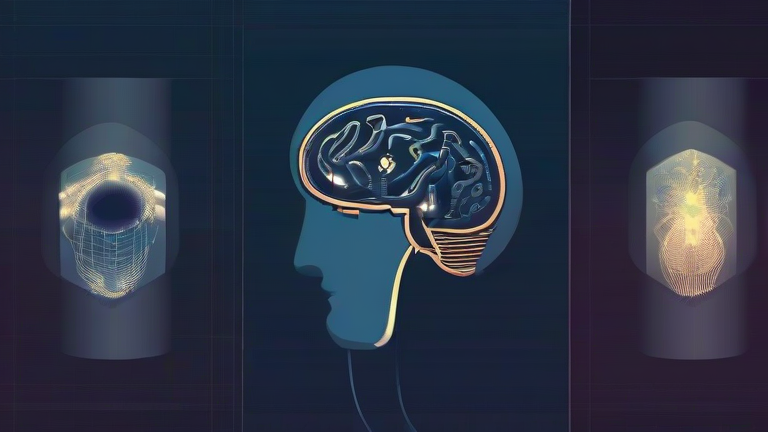
Brain-Computer Interfaces: The Rise of Neurotech
The concept of mental telepathy has long been the staple of science fiction, reserved for telekinetic mutants or futuristic cyborgs. However, the boundary between imagination and reality is dissolving rapidly. We are witnessing the dawn of a new era defined not by what we can see, but by what we can think. Brain-Computer Interfaces, or BCIs, are no longer confined to laboratory settings for patients with severe neurological conditions. They are beginning to permeate our daily lives, offering a profound shift in how we interact with technology, our environment, and even each other. This technological revolution invites us to reconsider the very nature of human experience, blending the organic with the digital in ways previously thought impossible.
Imagine waking up in a serene, minimalist apartment in Kyoto, the soft light of dawn filtering through paper screens. Instead of reaching for a smartphone to check the news or scroll through social media, you simply think about your morning intentions. The room responds. The lights brighten gradually, mimicking the sun, while a playlist of ambient sounds—rain on tiles, distant temple bells—flows seamlessly through hidden speakers. This is not magic; it is the current trajectory of consumer neurotechnology. Companies are developing non-invasive headsets that read neural signals to control smart home devices. For the modern traveler seeking mindfulness and efficiency, this represents the ultimate convenience. The friction of physical interaction is removed, allowing for a flow state that enhances productivity and peace. The device sits lightly on your temples, unobtrusive and elegant, becoming an extension of your consciousness rather than a tool in your hand.
If you want to dig deeper, check out our guide on Neuroadaptive Interfaces: Replacing Traditional Screens.

But the impact of BCIs extends far beyond home automation. Consider the culinary world, a sector deeply rooted in sensory experience. Imagine a dining experience in Paris where the flavor profile of a dish is adjusted in real-time based on your brain’s emotional response. Neurotech chefs are experimenting with biofeedback loops that monitor your dopamine and serotonin levels. If your brain signals boredom or lack of engagement, the kitchen system subtly adjusts the seasoning or temperature of your meal to stimulate interest. This is
Leave a Reply