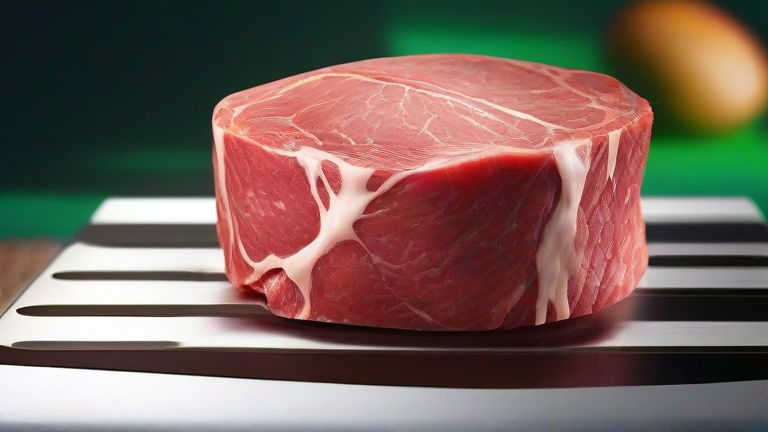
TL;DR: Lab-grown meat is rapidly approaching price parity with conventional beef, driven by advancements in bioreactor efficiency and scalable production technologies. While currently slightly more expensive for premium cuts, mass production is projected to make it significantly cheaper than traditional livestock farming within the next decade.
The Dawn of a Culinary Revolution
The concept of meat grown in a laboratory without slaughtering animals has transitioned from science fiction to a tangible reality. As climate change concerns intensify and land resources become increasingly scarce, the food industry is undergoing a paradigm shift. Lab-grown meat, also known as cultured or cell-based meat, offers a sustainable alternative that promises to disrupt the traditional agricultural supply chain. Recent developments have not only improved the texture and flavor profiles but have also drastically reduced production costs, bringing us closer to a future where ethical eating is the norm rather than the exception.
If you want to dig deeper, check out our guide on Wearable Tech Detects Early Signs of Cardiac Arrest.

Feature Highlights and Technical Advancements
At the core of this innovation is the use of cellular agriculture. Scientists take a small sample of animal cells and place them in a nutrient-rich medium within large bioreactors. These facilities mimic the conditions of an animal’s body, allowing the cells to proliferate and differentiate into muscle and fat tissue. Key features of this technology include precise control over nutrient intake, which eliminates the need for antibiotics and hormones commonly found in conventional livestock. Furthermore, the process requires significantly less water and land compared to traditional farming. Recent breakthroughs in serum-free media have lowered costs by removing expensive growth factors, making the final product more accessible to the average consumer. The resulting meat is biologically identical to conventional beef, offering the same culinary experience without the ethical and environmental baggage.
Comparison: Lab-Grown vs. Traditional Beef
When comparing lab-grown meat to traditional beef, the differences are stark. Traditional beef production contributes to approximately 14.5% of global greenhouse gas emissions, involves deforestation, and requires vast amounts of water. In contrast, lab-grown meat can reduce greenhouse gas emissions by up to 92% and water usage by 78%. While the initial price per pound was prohibitively high, economies of scale are driving costs down. Currently, lab-grown options are priced at a premium, but as production scales, prices are expected to undercut conventional beef within five to seven years. This economic shift is crucial for widespread adoption, as price sensitivity remains the primary barrier for most consumers.
Ready to Taste the Future?
The future of food is not just about sustainability; it is about innovation and accessibility. As technology matures and prices drop, lab-grown meat will become a staple in grocery stores worldwide. We invite you to join the movement towards a more ethical and sustainable food system. Visit our online store today to pre-order exclusive samples of the latest cultured beef products. By choosing lab-grown meat, you are not just buying a meal; you are investing in the health of our planet and the future of humanity. Don’t wait for the price drop—be among the first to experience the next generation of protein.
FAQ
Q: Is lab-grown meat safe to eat?
A: Yes, lab-grown meat undergoes rigorous safety testing and regulatory approval processes to ensure it is safe for human consumption, meeting or exceeding standards set for conventional meat.
Q: How does the taste compare to real beef?
A: The taste and texture are designed to be nearly identical to conventional beef, as the cellular structure is biologically the same, providing a familiar culinary experience for consumers.
Q: When will lab-grown meat be cheaper than regular beef?
A: Industry experts predict that with continued technological advancements and economies of scale, lab-grown meat could become cheaper than conventional beef within the next five to ten years.
Leave a Reply