Smart Home Energy Optimization: Why It’s Now the Standard
The residential energy landscape is undergoing a seismic shift. No longer a niche luxury for tech enthusiasts, smart home energy optimization has rapidly transitioned into a fundamental expectation for modern homeowners and a critical component for utility providers. This transformation is driven by a convergence of technological maturity, rising energy costs, and heightened environmental awareness. As we navigate the mid-2020s, the question is no longer whether smart energy systems are viable, but rather why any new construction or renovation would proceed without them.
Market Analysis: The Rise of the Prosumer
The market dynamics have changed dramatically. According to recent industry reports, the global smart home energy management system market is projected to grow at a compound annual growth rate of over 20% through 2030. This surge is not merely speculative; it is grounded in tangible economic pressures. With electricity prices fluctuating wildly due to geopolitical instability and the transition to renewable sources, homeowners are increasingly seeking ways to mitigate costs through automation.
If you want to dig deeper, check out our guide on GLP-1 Drugs Expand to Treat Addiction Disorders.
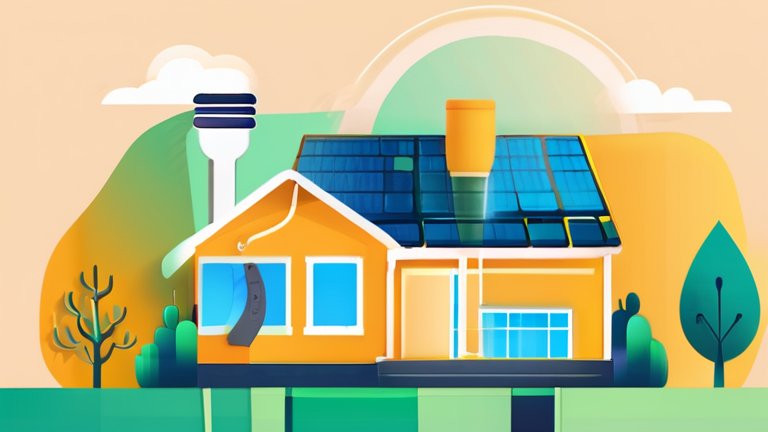
Furthermore, the emergence of the “prosumer”—a household that both consumes and produces energy via solar panels and battery storage—has created a complex grid challenge. Utilities are struggling to manage bidirectional power flows. Smart optimization systems act as the bridge, allowing homes to store excess solar energy during peak production hours and discharge it during peak demand periods. This not only reduces strain on the grid but also allows homeowners to participate in demand response programs, earning credits for their contribution to grid stability.
Strategy Insights: Beyond Automation to Intelligence
For businesses and developers, the strategy must evolve beyond simple automation. The standard approach of connecting a thermostat to Wi-Fi is obsolete. The new standard relies on predictive analytics and artificial intelligence. Successful strategies involve integrating multiple data streams: weather forecasts, local energy pricing signals, and occupant behavior patterns. By leveraging machine learning, these systems can predict future energy needs with high accuracy, pre-cooling or pre-heating spaces when energy is cheapest and most abundant
Leave a Reply