
Grid Parity: Clean Energy Storage Solutions Hit New Pricing Milestone
The energy landscape is undergoing a seismic shift. For the first time in history, the combined cost of solar photovoltaics (PV) and battery energy storage systems (BESS) has fallen below the retail price of electricity from the traditional grid in major markets. This phenomenon, known as “grid parity,” signifies that storing clean energy is no longer a premium luxury but a financially prudent, standard investment. As pricing milestones are smashed, homeowners, businesses, and municipalities have a unique window of opportunity to transition to decentralized, resilient power sources. This guide outlines how to capitalize on this new era of affordable energy independence.
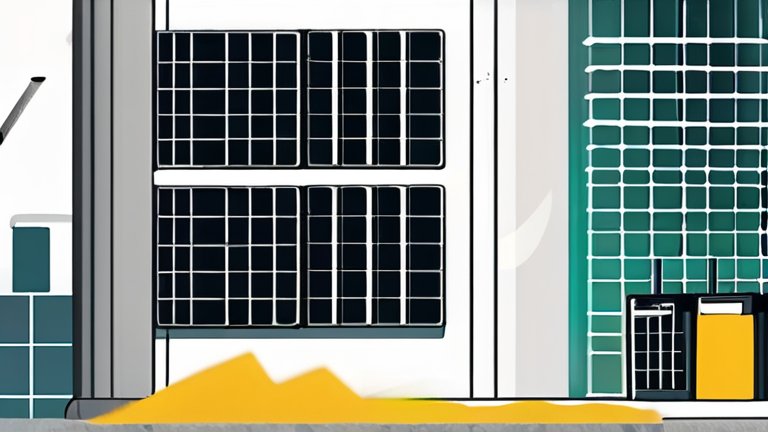
Step 1: Conduct a Comprehensive Energy Audit
Before purchasing any hardware, you must understand your consumption patterns. Grid parity is most effective when you are shifting load from expensive peak hours to cheaper storage hours. Use smart meters or energy monitoring apps to identify your highest usage times. Typically, this is between 4 PM and 9 PM. Knowing your baseline allows you to size your battery system correctly, ensuring you do not overspend on unnecessary capacity.
If you want to dig deeper, check out our guide on 10 Simple Health Habits to Boost Your Energy & Well-Being To.
Step 2: Evaluate Hybrid Solar Systems
The new pricing milestone is largely driven by the plummeting cost of lithium-ion batteries, particularly LFP (Lithium Iron Phosphate) chemistries. Look for hybrid inverters that can manage both solar generation and battery storage seamlessly. When comparing quotes, focus on the “Levelized Cost of Storage” (LCOS) rather than just the upfront sticker price. A system with a deeper discharge rate and higher cycle life may cost more initially but offers better long-term value by maximizing the usable capacity of your stored energy.
Step 3: Install Time-of-Use (TOU) Optimization Software
Hardware alone is not enough; intelligence is key. Install or configure software that automatically charges your batteries when solar production is high
Leave a Reply