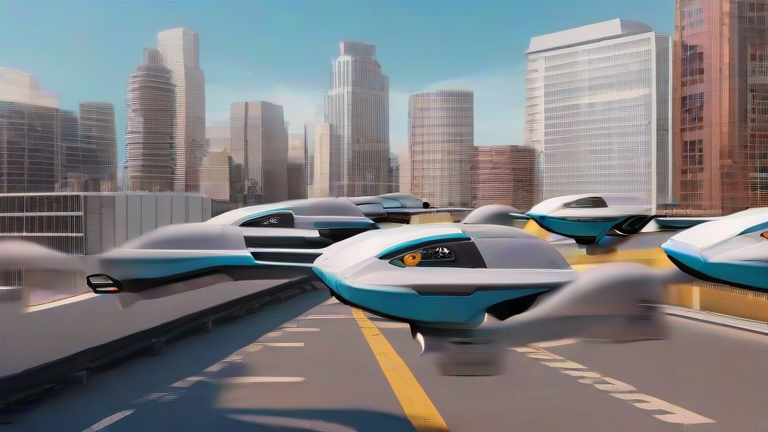
Autonomous Last-Mile Delivery Drones Are Dominating Cities
The urban landscape is undergoing a silent revolution. High above the congested streets, a hum of propellers signals the arrival of a new logistics era. Autonomous last-mile delivery drones are no longer futuristic concepts confined to science fiction or remote rural areas; they are rapidly becoming the dominant force in urban logistics networks across major metropolitan hubs. This shift represents a pivotal moment in supply chain evolution, promising to alleviate traffic congestion, reduce carbon emissions, and redefine consumer expectations for speed and convenience.
If you want to dig deeper, check out our guide on 10 Simple Health Habits to Boost Your Energy & Well-Being To.
Recent technological breakthroughs have addressed the primary hurdles of urban flight: safety, noise reduction, and navigation complexity. Modern drones are equipped with advanced LiDAR sensors, computer vision algorithms, and redundant propulsion systems. These specs allow them to navigate dense urban canyons with precision, avoiding obstacles like power lines, birds, and other aircraft in real-time. The latest models boast a payload capacity of up to five kilograms, sufficient for most standard e-commerce packages, and can fly distances of up to twenty kilometers on a single charge. Furthermore, significant strides in battery technology have extended flight times, while acoustic dampening materials have reduced noise pollution to levels barely audible over city din.
The industry impact is profound. Major retail giants and logistics providers are integrating drone fleets into their existing infrastructure, partnering with specialized aviation firms to create hybrid delivery ecosystems. This integration is not merely about speed; it is about resilience. During peak shopping seasons or unexpected disruptions, drone networks provide a reliable alternative to ground transport, ensuring that essential goods and urgent items reach customers without delay. Consequently, traditional delivery trucks are being freed from the burden of the final mile, allowing them to focus on long-haul transport and bulk distribution, thereby optimizing overall fleet efficiency.
Regulatory bodies are also adapting, establishing no-fly zones and
Leave a Reply