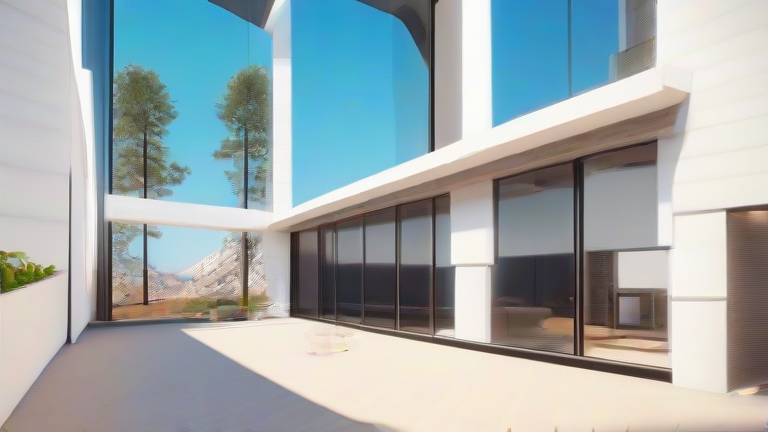
Metaverse Real Estate Stabilizes Post-Hype
The initial frenzy surrounding digital land ownership has subsided, revealing a more mature and sustainable ecosystem. In 2023 and early 2024, the metaverse real estate market transitioned from speculative bubble conditions to a phase of stabilization. This shift is driven by a clearer understanding of utility, improved technological infrastructure, and a strategic pivot by major brands toward long-term engagement rather than quick flips.
Latest Developments and Technical Specs
Recent developments focus heavily on interoperability and enhanced user experience. Major platforms like Decentraland and The Sandbox have upgraded their rendering engines, supporting higher fidelity textures and real-time lighting. This technical improvement reduces the “flat” aesthetic that previously deterred serious investors. Furthermore, the introduction of cross-chain asset portability allows digital land parcels to function more seamlessly across different virtual worlds, increasing their liquidity and utility.
If you want to dig deeper, check out our guide on 10 Essential Health Tips for a Longer, Happier Life.

Key specifications for modern virtual real estate now include high bandwidth requirements for immersive interactions and blockchain compatibility with Ethereum Layer-2 solutions to reduce transaction costs. These technical advancements have made virtual property ownership more accessible and efficient. The integration of AI-driven NPCs (non-player characters) and dynamic environments has also transformed empty plots into interactive experiences, adding tangible value to what was previously just a static coordinate.
Industry Impact and Strategic Shifts
The stabilization of the market has had a profound impact on the broader tech industry. Companies are no longer buying land for the sake of visibility alone; they are investing in creating immersive brand experiences. Retail giants like Nike and Adidas have shifted their strategies from simple storefronts to interactive gaming hubs and community spaces. This change reflects a deeper understanding of consumer behavior in virtual environments, where engagement time is valued higher than mere presence.
Investors are now conducting rigorous due diligence, analyzing foot traffic data, event participation rates, and community activity levels before purchasing. This data-driven approach has led to a correction in prices, with prime locations stabilizing at more realistic valuations. The collapse of several
Leave a Reply