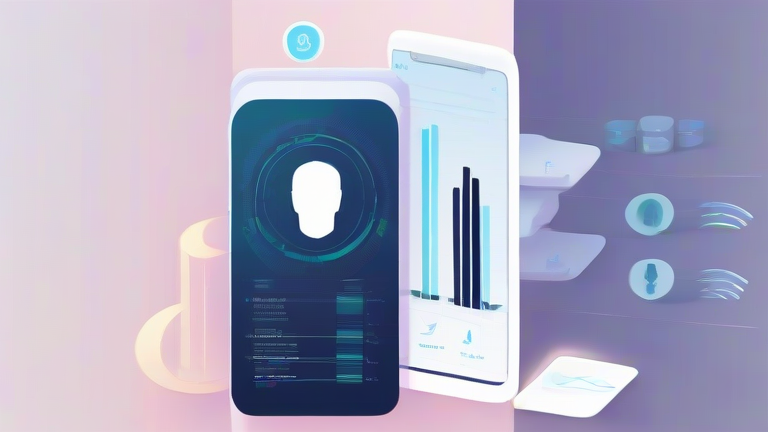
Mental Health Apps: Integrating Real-Time Biometric Data
The digital mental health landscape is undergoing a paradigm shift. For years, applications relied on user self-reporting to gauge emotional states, a method fraught with recall bias and subjectivity. Today, the convergence of wearable technology and advanced software algorithms is enabling a new era of proactive care. By integrating real-time biometric data, developers are moving from reactive symptom tracking to predictive mental health management. This evolution promises to transform how individuals interact with their psychological well-being, offering continuous, objective insights that complement traditional therapeutic practices.
Market Analysis: The Convergence of Wellness and Wearables
The global market for digital mental health solutions is projected to exceed $10 billion by 2026, driven largely by increased awareness and the normalization of seeking help. However, the specific niche of biometric-integrated apps is growing even faster. According to recent industry reports, there is a 40% year-over-year increase in consumer adoption of wearables that monitor heart rate variability (HRV) and galvanic skin response (GSR). These metrics are increasingly recognized as reliable proxies for stress and anxiety levels.
If you want to dig deeper, check out our guide on Green Hydrogen Fuels Heavy Industry Decarbonization.
Investors are taking note. Venture capital firms are prioritizing startups that can demonstrate clinical validity through longitudinal data studies. The market is no longer satisfied with simple mood journals; it demands actionable intelligence. Users are willing to pay premium subscription rates for platforms that offer personalized interventions based on physiological changes, signaling a robust willingness-to-pay for precision mental health tools. This trend is reshaping the competitive landscape, forcing legacy players to upgrade their data infrastructure to remain relevant.
Strategy Insights: Trust, Privacy, and Personalization
For businesses entering this space, strategy must hinge on three pillars: data privacy, algorithmic transparency, and seamless user experience. Biometric data is highly sensitive. Companies must adopt a “privacy-by-design” approach, ensuring that data is encrypted locally on the device and anonymized before being processed in the cloud. Trust is the currency of the mental health sector; any breach can be catastrophic for brand reputation.

Furthermore,
Leave a Reply