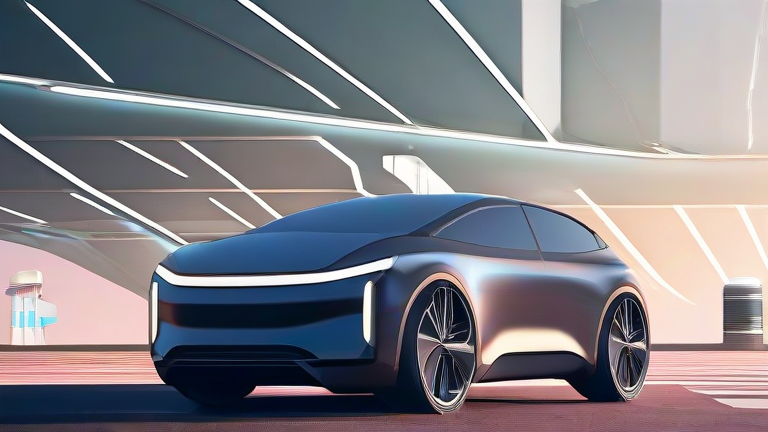
Expanding Electric Vehicle Charging Infrastructure: What’s Next?
The global transition to electric mobility is no longer a distant promise but a present reality, driven by stringent environmental regulations and evolving consumer expectations. As the adoption rate of electric vehicles (EVs) accelerates, the demand for robust, reliable, and accessible charging infrastructure has become the critical bottleneck in this green revolution. Market analysis indicates that the global EV charging infrastructure market is projected to grow at a compound annual growth rate of over 30% through 2030, fueled by substantial government incentives and private sector investments.
However, mere expansion is not enough; strategic placement and technological integration are paramount. Industry leaders are shifting focus from simple quantity to quality and convenience. The strategy now involves creating seamless user experiences through app-based payments, real-time availability data, and interoperability between different charging networks. Furthermore, the integration of renewable energy sources with charging stations is becoming a key differentiator, allowing businesses to market truly “green” charging solutions that appeal to environmentally conscious consumers.
If you want to dig deeper, check out our guide on Top 5 Trends Shaping 2024: What You Need to Know.
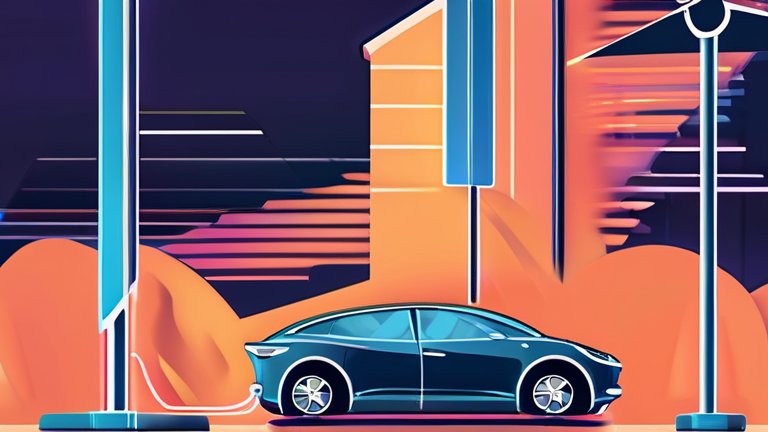
Case studies from leading automotive manufacturers and energy providers offer valuable insights into successful scaling models. For instance, Tesla’s Supercharger network remains the gold standard for reliability and speed, effectively reducing range anxiety for long-distance travelers. Meanwhile, traditional oil majors like Shell and BP are leveraging their extensive existing forecourt locations to install high-power chargers, utilizing their established customer bases to drive rapid adoption. In China, state-backed initiatives have resulted in the world’s largest public charging network, demonstrating how coordinated government policy can accelerate infrastructure deployment significantly faster than market forces alone.
Looking ahead, the convergence of vehicle-to-grid (V2G) technology and smart charging systems will redefine the role of charging stations. These stations will evolve from simple power outlets into dynamic energy hubs that balance grid loads and provide ancillary services. Businesses that invest in smart, scalable, and user-centric infrastructure today will be well-positioned to capture the burgeoning EV market share. The challenge remains significant, requiring collaboration between automakers, utility companies, and policymakers to ensure that the grid can support the impending surge in demand. Ultimately, the success of the electric vehicle revolution hinges not just
Leave a Reply