How Mental Health Apps Integrate With Wearables for Better Care
In the rapidly evolving landscape of digital health, the convergence of mental well-being and physical monitoring has emerged as a pivotal trend. For years, mental health apps and wearable devices operated in silos. Users tracked their mood in one application while monitoring their heart rate and sleep patterns on another. However, recent innovations have bridged this gap, creating a holistic ecosystem that offers deeper insights into the mind-body connection. This integration is not merely a convenience; it is a transformative approach to preventive care and personalized therapy.
Seamless Data Synchronization
The core value proposition of integrating mental health platforms with wearables lies in data synergy. Modern applications like Calm, Headspace, and specialized clinical tools now sync directly with devices from Apple, Garmin, and Fitbit. This synchronization allows for real-time biometric feedback that contextualizes emotional states. For instance, if a user reports high anxiety, the app can cross-reference this with their recent heart rate variability (HRV) and sleep quality. This multidimensional data provides clinicians and users with a clearer picture of stress triggers that might otherwise go unnoticed.
If you want to dig deeper, check out our guide on Metaverse Education Platforms Gain Traction in 2024.
Key Features Highlighted
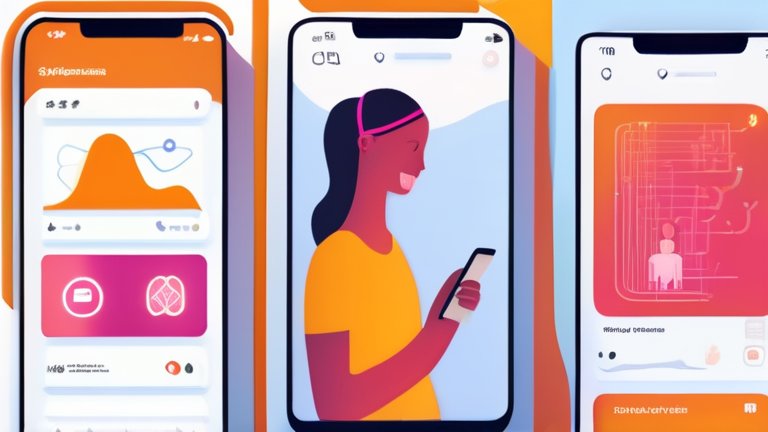
Several standout features define this new generation of integrated care. First is biofeedback meditation. By leveraging heart rate sensors, these apps guide users through breathing exercises that physically lower their heart rate, providing immediate, tangible proof of relaxation. Second, sleep hygiene optimization uses wearable data to suggest the best times for mindfulness practices based on sleep cycles. Finally, proactive stress alerts can detect physiological signs of rising stress levels before the user consciously feels them, prompting immediate intervention through a quick mindfulness session or a gentle nudge to take a break.
Comparing the Leaders
When comparing top contenders, distinct differences emerge. Apple’s Health ecosystem offers unparalleled hardware integration, making it the easiest entry point for iPhone users seeking basic stress monitoring. However, it lacks specialized therapeutic content. In contrast, dedicated apps like Woebot offer robust cognitive behavioral therapy (CBT) tools but require more manual input to correlate with wearable data
Leave a Reply