How Mental Health Apps Integrate With Wearables
In the quiet moments before dawn, while the rest of the world sleeps, millions of devices on wrists around the globe are silently tracking the subtle rhythms of human consciousness. For years, fitness trackers were purely mechanical counters, obsessed with steps and heart rate variability. Today, they have evolved into sophisticated sentinels of our emotional and mental well-being. This integration represents a significant shift in personal growth, transforming abstract feelings of anxiety or stress into tangible data that we can understand, manage, and ultimately, improve.
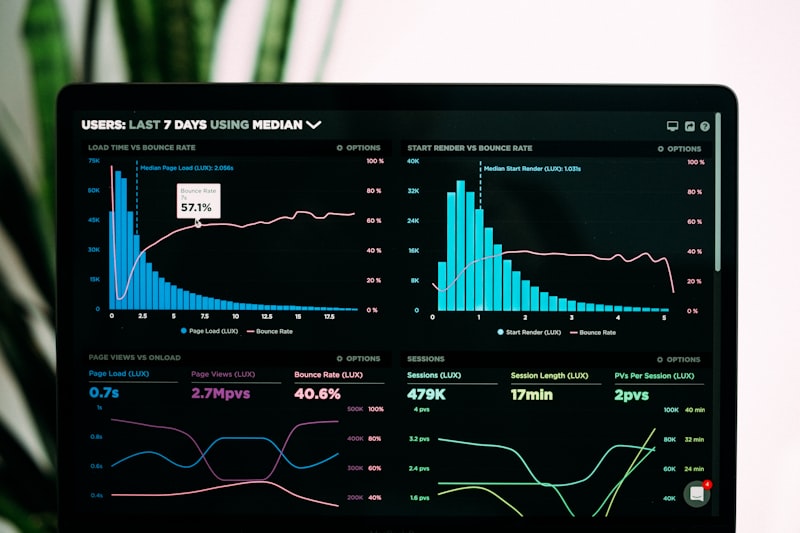
The marriage between mental health applications and wearable technology is not just about convenience; it is about context. Traditional therapy or journaling relies on memory, which is notoriously unreliable. We often forget the physiological cues that precede a panic attack or the subtle drop in energy that signals burnout. Wearables bridge this gap by providing a continuous, objective stream of biometric data. When a mental health app like Calm, Headspace, or Woebot syncs with an Apple Watch, Fitbit, or Oura Ring, it gains access to real-time indicators such as heart rate variability (HRV), skin temperature, and sleep quality. This data allows these apps to offer personalized interventions at the exact moment they are needed most.
Consider the morning routine. Instead of blindly scrolling through social media, your wearable detects elevated cortisol levels and a low HRV, suggesting that your body is under stress. The integrated app might gently prompt you with a five-minute guided breathing exercise before you even leave the house. This proactive approach shifts mental health management from reactive crisis management to proactive maintenance. It turns personal growth into a daily, manageable practice rather than an occasional chore.
Furthermore, this integration is reshaping our culture of self-care. It is no longer seen as indulgent to prioritize mental hygiene; it is viewed as essential maintenance, much like brushing your teeth or eating well. The data visualized on your phone creates a narrative of your emotional life, helping you identify patterns. You might realize that your stress spikes every time you have back-to-back meetings, or that your mood improves significantly after a walk in
Leave a Reply