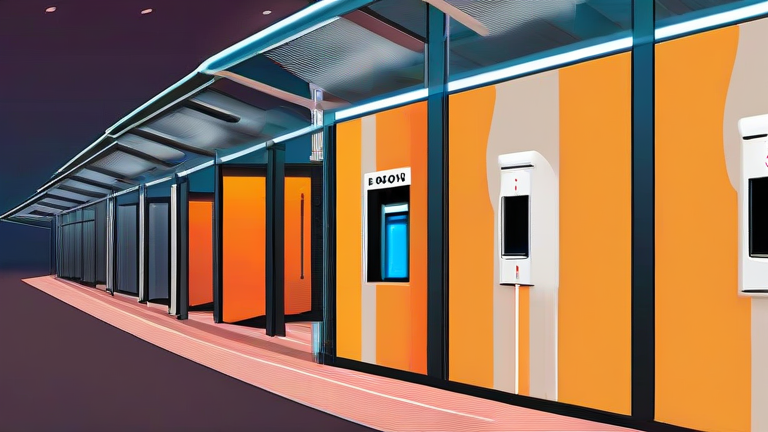
EV Charging Infrastructure Boom: What You Need to Know
The electric vehicle revolution is no longer a distant promise; it is a rapidly accelerating reality that is reshaping the global automotive landscape. As adoption rates soar, the critical bottleneck of charging infrastructure has emerged as the primary focus for governments, automakers, and private investors alike. This article explores the latest developments in charging technology, the technical specifications driving this boom, and the profound impact on the broader industry.

If you want to dig deeper, check out our guide on 10 Simple Health Habits to Boost Your Energy & Well-Being To.
Recent developments indicate a massive surge in investment, with billions of dollars being poured into expanding public and private charging networks. The focus has shifted from merely increasing the number of chargers to enhancing their speed and reliability. Ultra-fast charging networks are becoming the new standard, with many new installations capable of delivering up to 350 kilowatts of power. This technological leap allows electric vehicle drivers to replenish up to 80% of their battery capacity in under twenty minutes, significantly alleviating range anxiety and making long-distance travel as convenient as filling a traditional gas tank.
When examining the technical specifications, the evolution from Level 2 chargers to DC Fast Chargers is pivotal. Level 2 chargers, typically found in homes and workplaces, offer 7 to 19 kilowatts of power, suitable for overnight charging. However, the real game-changer is the DC Fast Charger, which bypasses the vehicle’s onboard charger to deliver high-voltage current directly to the battery. The latest generation of chargers supports the Combined Charging System (CCS) and the NACS standard, ensuring interoperability across different vehicle brands. Moreover, smart charging capabilities are being integrated, allowing users to schedule charging during off-peak hours to reduce grid strain and lower electricity costs.
The impact of this infrastructure boom extends far beyond individual drivers. It is reshaping urban planning, with cities redesigning parking structures to accommodate high-density charging hubs. Real estate developers are increasingly viewing EV chargers as essential amenities, similar to high-speed internet. Furthermore, the energy sector is adapting, with utilities developing new rate structures and grid management systems to handle the increased load. This shift is also driving innovation in battery technology, as
Leave a Reply