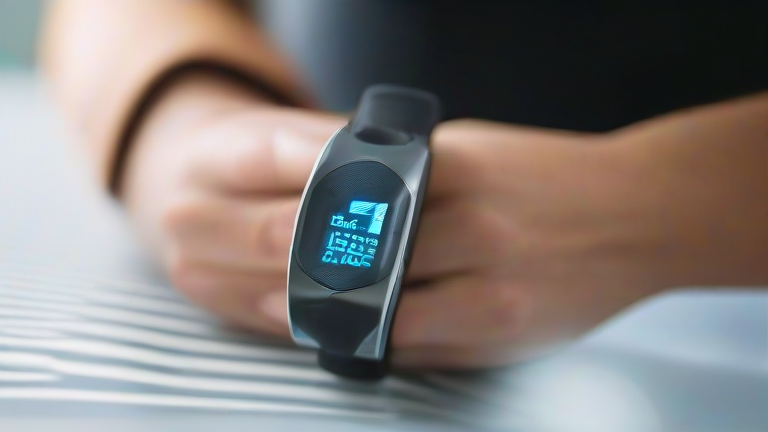
Wearable Health Monitors Predict Illness Early
In the rapidly evolving landscape of personal healthcare, wearable technology has transitioned from simple fitness trackers to sophisticated medical-grade devices capable of detecting subtle physiological changes. These devices monitor vital signs such as heart rate variability, skin temperature, and blood oxygen levels, providing users with actionable insights into their health status before symptoms fully manifest. By leveraging advanced algorithms and continuous data collection, wearables can predict potential illnesses like influenza, respiratory infections, or even cardiac events with increasing accuracy. This guide outlines the essential steps to effectively utilize your wearable health monitor for early disease detection and prevention.
First, select a device that aligns with your specific health needs. Look for models certified by relevant health authorities, such as the FDA or CE, which ensure accuracy in critical metrics. Key features to prioritize include continuous heart rate monitoring, electrocardiogram (ECG) functionality, and skin temperature sensors. Once you have chosen your device, ensure it is properly fitted. The device should be snug but comfortable, placed on the wrist or chest as instructed. Incorrect positioning can lead to inaccurate readings, undermining the predictive capabilities of the device. Consult the manufacturer’s guide for optimal placement and strap tightness.
If you want to dig deeper, check out our guide on 10 Simple Health Habits to Boost Your Energy & Well-Being To.
Next, synchronize your device with its companion mobile application. This step is crucial for data aggregation and analysis. Ensure your phone’s Bluetooth is active and the app is updated to the latest version. During the initial setup, input your personal health data, including age, weight, height, and any existing medical conditions. This baseline information allows the algorithm to calibrate its predictions accurately. Commit to wearing the device consistently, especially during sleep, as nocturnal data provides valuable insights into your body’s recovery and stress levels. Most experts recommend wearing the device for at least twenty-three hours a day to capture comprehensive trends.
Related Articles
Leave a Reply