
Why VR Meetings Are Replacing Business Travel
The traditional model of global business, defined by expensive flights, cramped airport terminals, and exhausting time-zone adjustments, is undergoing a seismic shift. Virtual Reality (VR) is no longer just a novelty for gaming enthusiasts; it has matured into a robust professional tool that is fundamentally reshaping how corporations operate. As hardware becomes more sophisticated and network infrastructure improves, companies are increasingly prioritizing virtual presence over physical travel, driven by significant cost savings and environmental benefits.
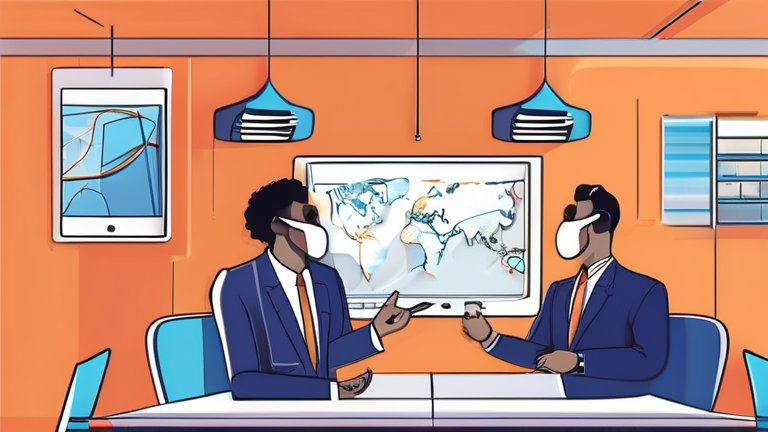
Recent developments in head-mounted display technology have been pivotal in this transition. The latest generation of standalone VR headsets offers ultra-high resolutions, wide fields of view, and eye-tracking features that enable natural non-verbal communication. Unlike standard video calls, which often feel disjointed and flat, VR platforms create shared spatial environments where avatars mimic real-life body language and spatial awareness. This immersion fosters a sense of co-presence that was previously impossible to achieve through two-dimensional screens. Specifications now include advanced haptic feedback gloves and spatial audio systems that allow users to hear colleagues as if they were sitting directly across the table, drastically reducing the cognitive load associated with remote collaboration.
If you want to dig deeper, check out our guide on DNA Testing for Personalized Nutrition: Boost Your Health.
The industry impact is profound. Multinational corporations are reporting substantial reductions in their carbon footprints by eliminating unnecessary business travel. According to recent surveys, over thirty percent of large enterprises have permanently altered their travel policies, opting for virtual conferences for internal meetings and client presentations. This shift is not merely about saving money on flights and hotels; it is about reclaiming time. Employees who previously spent days in transit now have those hours back for productive work or rest, leading to improved job satisfaction and reduced burnout. Furthermore, the democratization of access allows companies to invite experts from anywhere in the world without visa complications or logistical nightmares.
However, challenges remain. Issues such as digital fatigue, known as “Zoom fatigue” but intensified by the sensory demands of VR, require careful management. Companies are now implementing shorter, more focused virtual sessions and integrating mixed-reality tools to balance digital and physical interactions. Despite these hurdles, the trajectory is clear. As 5G networks expand and AR/VR hardware becomes lighter and more affordable,
Leave a Reply