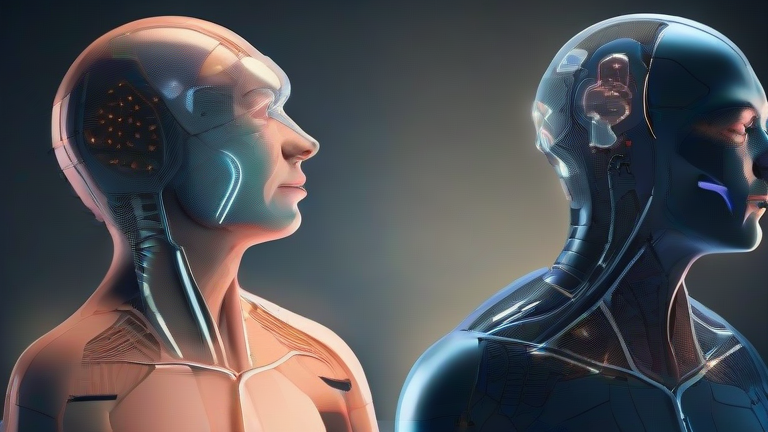
Rising Neurotech: Brain-Computer Interfaces Transforming the Future
Brain-Computer Interfaces (BCIs) represent a revolutionary frontier in technology, bridging the gap between human cognition and digital systems. As these devices evolve from experimental laboratory concepts to viable consumer products, understanding their potential becomes crucial for innovators and enthusiasts alike. This guide outlines the fundamental steps to understand and engage with this emerging field, focusing on ethical implementation and technical literacy.
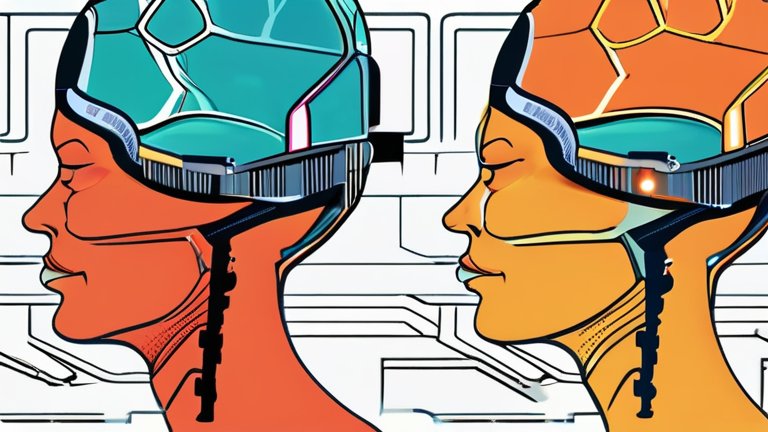
First, establish a strong foundation in neuroscience and signal processing. BCIs rely on interpreting electrical signals generated by neurons. You must understand basic electroencephalography (EEG) principles, as most non-invasive consumer devices utilize this technology. Familiarize yourself with terms like alpha waves, beta waves, and motor imagery. Without this theoretical knowledge, designing effective interfaces is nearly impossible. Start by reading peer-reviewed journals on neural signal decoding algorithms to grasp the complexity of data interpretation.
If you want to dig deeper, check out our guide on How to Create a Successful SEO Tutorial: Step-by-Step Guide.
Next, select appropriate hardware. For beginners, open-source EEG headsets like the OpenBCI or Muse offer accessible entry points. These devices allow users to stream real-time brain data to personal computers. Ensure your hardware supports high-quality analog-to-digital conversion to minimize noise. Calibration is critical; spend time customizing sensor placement on the scalp to ensure optimal signal clarity. Poor contact leads to unreliable data, frustrating users and complicating machine learning model training. Always prioritize safety and comfort, as prolonged wear can cause discomfort or skin irritation.
Third, develop software capable of translating neural activity into commands. Python is the industry standard for this task due to its robust libraries like MNE-Python and TensorFlow. Begin by creating simple classification models that distinguish between different mental states, such as relaxation versus concentration. Implement machine learning algorithms that adapt to individual user patterns, as neural signals vary significantly between people. Regularly update your models to account for changes in user focus or fatigue levels.
Related Articles
Leave a Reply