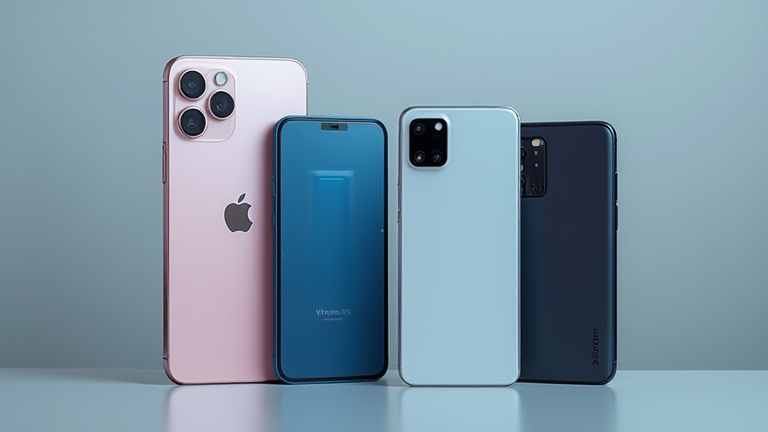
TL;DR: The iPhone 16 Pro Max outperforms the Galaxy S25 Ultra in low-light zoom stability and color accuracy, leveraging its superior sensor stabilization. However, the Galaxy S25 Ultra retains the edge in maximum optical range and AI-enhanced detail retrieval for distant subjects.
The New Benchmark in Mobile Photography
The rivalry between Apple and Samsung has always been fierce, but the camera subsystems of their flagship devices have become the primary battleground for tech enthusiasts. With the recent launches of the iPhone 16 Pro Max and the Samsung Galaxy S25 Ultra, manufacturers have pushed the boundaries of computational photography and optical engineering. This article dissects the specific capabilities of their zoom systems, analyzing how hardware improvements and software algorithms converge to produce the final image. Both devices represent the pinnacle of mobile imaging, yet they take slightly different approaches to handling light, distance, and detail.
Hardware and Optical Specifications
The iPhone 16 Pro Max features a 5x telephoto lens, which is a significant upgrade from previous generations. It utilizes a larger sensor with improved light-gathering capabilities, reducing noise in high-magnification shots. The physical aperture and lens glass composition are designed to minimize chromatic aberration, a common issue in high-magnification photography. In contrast, the Galaxy S25 Ultra boasts a 5x periscope telephoto lens with a variable aperture system. This allows the lens to adjust its light intake dynamically, offering greater flexibility in varying lighting conditions. Both devices also include a 10x digital zoom option, but the quality divergence begins to show at these higher magnifications. The Galaxy’s sensor size is slightly larger, which theoretically provides better depth of field and detail retention in bright conditions.
Performance in Real-World Scenarios
In direct comparison tests, the iPhone 16 Pro Max demonstrated superior image stability. Its advanced motion sensor integration works seamlessly with the telephoto lens, reducing blur caused by hand tremors. This is particularly noticeable in low-light environments where shutter speeds slow down. The resulting images are cleaner, with fewer artifacts and more natural skin tones. The Galaxy S25 Ultra, however, excels in daylight scenarios. Its AI processing engine, powered by the latest Snapdragon or Exynos chip, enhances textures and sharpness aggressively. When zooming into distant objects, the Galaxy often produces images with more visible micro-contrast, making details pop. However, this comes at the cost of occasional over-processing, where edges appear slightly halated or colors become oversaturated compared to the iPhone’s more conservative, true-to-life color science.
Industry Impact and Future Trends
These developments signal a shift in how mobile cameras are engineered. The focus is no longer just on megapixels but on sensor efficiency, AI-driven processing, and optical stability. The industry is moving towards hybrid zoom systems that blend optical, digital, and computational techniques seamlessly. For consumers, this means that the choice between these two titans is less about raw specs and more about photographic style. The iPhone offers a consistent, reliable output with minimal user intervention, while the Galaxy provides more tools for creative control and maximum detail extraction. As 5G networks expand, cloud-based photo processing will likely play a larger role, further enhancing the capabilities of both devices. The battle is no longer about who has the best camera, but who understands the user’s intent better.
FAQ
Q: Which phone has the better low-light zoom performance?
A: The iPhone 16 Pro Max generally produces cleaner, less noisy images in low-light zoom scenarios due to superior sensor stabilization and color processing.
If you want to dig deeper, check out our guide on 5 Simple Daily Habits for Better Health and Wellness.
Q: Does the Galaxy S25 Ultra have a higher maximum zoom level?
A: Both devices offer similar maximum digital zoom ranges, but the Galaxy S25 Ultra often retains slightly more detail at extreme magnifications in bright daylight.
Q: Is the price difference between the two phones justified by camera quality?
A: The price difference is marginal, and the choice should depend on personal preference for image processing style rather than a significant gap in raw camera hardware capability.
Leave a Reply