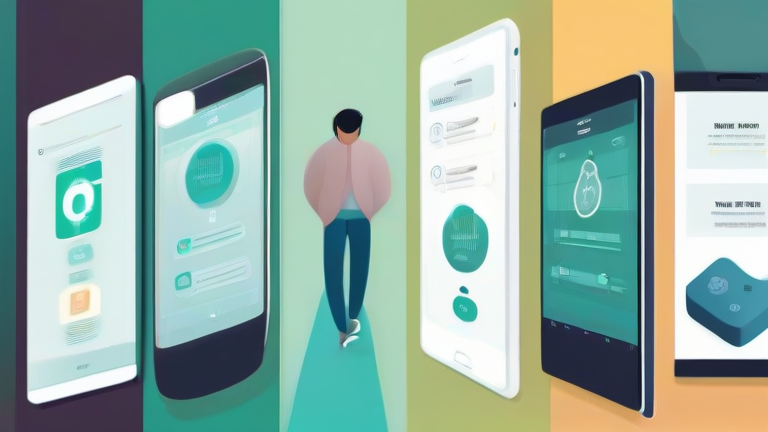
How Mental Health Apps Integrate with Wearables
The convergence of digital mental health solutions and wearable technology represents one of the most significant shifts in modern healthcare. As the global market for mental health apps surpasses $10 billion, developers are no longer relying solely on self-reported data. Instead, they are leveraging the continuous, passive data streams from smartwatches and fitness trackers to create holistic, real-time wellness ecosystems. This integration marks a transition from reactive therapy to proactive, preventive care, fundamentally altering how individuals manage stress, anxiety, and sleep disorders.
Market Analysis: The Data-Driven Shift
Recent market analysis indicates a robust growth trajectory for this niche sector, driven by increased consumer awareness and the proliferation of capable hardware. Users are increasingly seeking quantifiable metrics to understand their mental state. Heart rate variability (HRV), sleep quality scores, and galvanic skin response have emerged as critical biomarkers for stress and emotional regulation. Investors are responding to this trend, pouring capital into startups that can effectively bridge the gap between physiological data and psychological insights. The synergy between hardware manufacturers and software providers is creating a competitive moat, as proprietary algorithms become the key differentiator in a crowded marketplace.
If you want to dig deeper, check out our guide on Space Tourism: Experience Suborbital Flights Today.
Strategic Insights for Developers
For businesses looking to capitalize on this trend, the strategy must focus on interoperability and user experience. Merely displaying data is insufficient; apps must provide actionable, context-aware recommendations. For instance, if a wearable detects elevated stress levels during a workday, the app should suggest a brief breathing exercise or a mindfulness break, rather than just logging the event. Privacy is another paramount strategic concern. With sensitive health data being transmitted between devices and cloud servers, transparent data governance and robust encryption protocols are essential for building user trust. Furthermore, partnerships with healthcare providers can enhance credibility and open new revenue streams through insurance reimbursement models.
Case Studies in Innovation
Leading platforms like Calm and Headspace have already begun experimenting with wearable integrations. Calm, for example, allows users to sync data from Apple Watch or Fitbit to tailor meditation sessions based on current heart rate and stress indicators. This personalization enhances engagement and retention rates. Similarly, wearable giant Oura Ring has collaborated with various mental wellness apps to provide deeper insights into the relationship between sleep hygiene and emotional resilience.
Leave a Reply