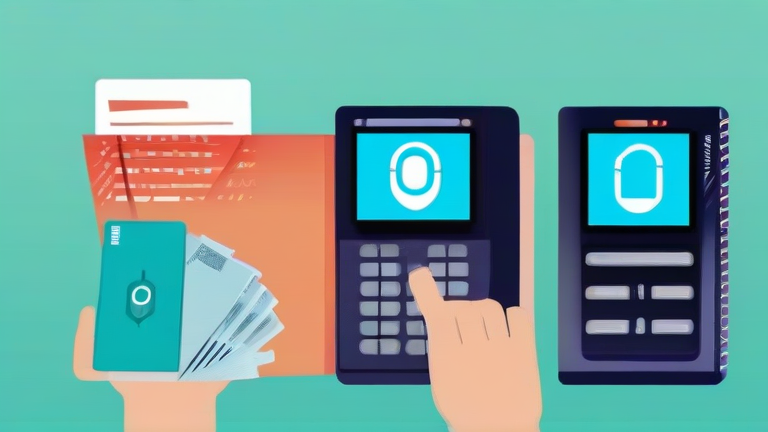
Biometric Payments: The Next Evolution Beyond Digital Wallets
TL;DR: Biometric payments are poised to surpass digital wallets by eliminating physical devices entirely, relying instead on unique biological identifiers for instant transaction verification. This shift promises to significantly reduce fraud and streamline the user experience by making payment as simple as a glance or a touch.
The global payments landscape is undergoing a radical transformation, moving rapidly from the reliance on smartphones and plastic cards toward frictionless, device-independent solutions. According to recent market analysis, the global biometric authentication market is projected to reach $28.5 billion by 2030, growing at a compound annual growth rate (CAGR) of 14.8%. This surge is largely driven by the increasing adoption of facial recognition, palm vein scanning, and fingerprint technology in retail and banking sectors. While digital wallets like Apple Pay and Samsung Pay have solved the problem of carrying multiple cards, they still require a physical device and often a secondary authentication step, such as a PIN or face ID on the phone. Biometric payments aim to remove that intermediary entirely, allowing the human body itself to serve as the key.
If you want to dig deeper, check out our guide on How to Share Big Wins Online Without Looking Arrogant.
Market Dynamics and Consumer Adoption
Consumer acceptance has been a critical hurdle, but recent data suggests a turning point. A 2023 survey indicated that 65% of consumers are willing to use biometric data for payments if they perceive a significant security benefit. Major retailers in South Korea, Japan, and parts of Europe have already piloted “face-to-pay” systems, reporting a 20% reduction in checkout wait times. These early adopters have demonstrated that the technology is not only viable but also enhances customer satisfaction by reducing the cognitive load associated with payment processes.
Expert Insights on Security and Privacy
Security remains the primary concern for both merchants and consumers. However, experts argue that biometric data is more secure than traditional passwords or even stored card numbers because it cannot be easily copied or stolen in the same way. Dr. Elena Ross, a cybersecurity analyst at TechSecure, notes, “The key to biometric payment success is template protection. We are seeing a shift toward storing encrypted biometric templates on secure elements rather than central servers, ensuring that even if a data breach occurs, the raw biometric data remains inaccessible.” This decentralized approach addresses major privacy concerns, aligning with regulations like GDPR and CCPA.
Future Predictions and Industry Outlook
Looking ahead, the next five years will likely see biometric payments integrated into everyday infrastructure beyond just point-of-sale terminals. Predictive models suggest that by 2028, 30% of large-scale retail chains will offer biometric-only payment options. Furthermore, the integration of biometric payments with smart city infrastructure could enable seamless transactions in public transit and parking systems. The challenge for industry leaders will be standardization. Currently, there is no single global standard for biometric payment protocols, leading to fragmented user experiences. Industry consortiums are working to establish unified standards to ensure interoperability across different platforms and regions.
As the technology matures, we can expect to see a convergence of biometric payments with emerging technologies like blockchain and IoT. This could create a new layer of trust and transparency in financial transactions. The transition from digital wallets to biometric payments is not just a technological upgrade; it is a fundamental reimagining of how value is exchanged. For businesses, early adoption will be crucial to stay competitive in an increasingly cashless and device-less world.
FAQ
Q: Are biometric payments safer than digital wallets?
A: Generally, yes, because biometric traits are unique to the individual and cannot be easily duplicated or lost like a smartphone, provided that the data is stored securely using advanced encryption.
Q: What are the main privacy concerns associated with biometric payments?
A: The primary concern is the potential misuse of sensitive biological data; however, modern systems mitigate this by storing encrypted templates locally on devices rather than on central servers.
Q: When will biometric payments become mainstream globally?<br
Leave a Reply