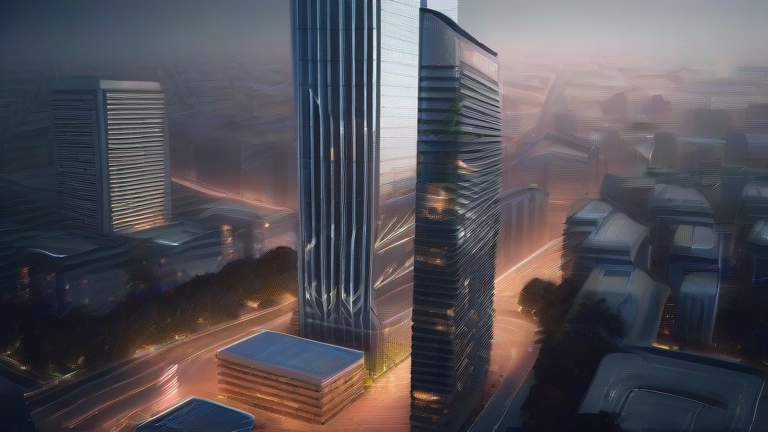
TL;DR: City digital twins are evolving from static 3D models into dynamic, physics-based simulation engines that let municipalities rehearse floods, earthquakes, and heatwaves before they strike. By 2028, over 40% of major global cities will deploy twin-based disaster drills, cutting response times by an estimated 25%.
The Shift from Visualization to Prediction
For years, digital twins were glorified dashboards—pretty maps of traffic or utility pipes. That era is ending. The new wave of urban twins integrates real-time IoT data (air pressure, water flow, seismic sensors) with machine learning and computational fluid dynamics. This allows cities to run “what-if” scenarios: what happens to a subway system if a storm surge hits at 6 PM rush hour? What if an earthquake cracks a gas main under a hospital? The answer is no longer guesswork; it’s a simulated, second-by-second playback of cascading failures.
If you want to dig deeper, check out our guide on Why Low-Level Skills Now Matter More Than Syntax.
Market Momentum and Investment
The global digital twin market is projected to grow from $8.5 billion in 2023 to $35.6 billion by 2028, according to MarketsandMarkets. A significant slice—nearly 30%—now comes from disaster resilience applications. Singapore’s “Virtual Singapore” and New York’s “OneNYC” digital twin are early adopters, but mid-tier cities like Rotterdam and Osaka are catching up, spending $5–15 million annually on twin infrastructure. The payoff? A 2024 Deloitte study found that cities using twin-based drills reduced property damage from simulated floods by up to 18% compared to traditional tabletop exercises.
Expert Insights: Moving Beyond “Reactive” Models
Dr. Elena Vasquez, head of urban resilience at the University of Cambridge, argues that the real value is in stress-testing interdependencies. “A twin isn’t just about one hazard—it’s about how a power outage triggers water pump failure, which then blocks evacuation elevators,” she says. “We’re now modeling social behavior too, like crowd movement and panic responses, using agent-based simulation.” Her team recently helped Lisbon simulate a 7.2-magnitude earthquake, revealing that 30% of critical evacuation routes would be blocked by debris within 15 minutes—a finding that directly reshaped the city’s emergency plan.
Future Predictions: Autonomous Twins and AI-Driven Drills
By 2030, expect twins to run “continuous drills” without human prompts. AI agents will automatically inject random failures—a broken levee, a downed cell tower—into the simulation daily, then generate micro-action plans for first responders. Another trend: “digital rehearsal” for climate migration. Cities like Miami will use twins to simulate 10-year sea-level rise, then test different zoning and transport adaptations in a virtual sandbox before spending billions on physical infrastructure. The next frontier is edge computing, where twins run on local servers to ensure they function even when the internet is down during a disaster.
Challenges Ahead
Data privacy remains the biggest hurdle—twins require granular movement and building data, which residents distrust. Also, interoperability is poor: most cities use proprietary platforms that don’t share data with state or federal agencies. The solution, experts say, is open-source standards (like the Digital Twin Consortium’s “Twin Capability” model) and public consent frameworks that anonymize personal data while retaining spatial resolution.
FAQ
Q: How accurate are city digital twins for disaster simulation?
A: Current models are 70–85% accurate for physical hazards (flood depth, building collapse), but social behavior prediction is only 50–60% accurate. Accuracy improves with more IoT sensors and historical event data, and by 2027, most twins will achieve 90%+ physical accuracy for common hazards.
Q: What is the typical cost and timeline for a mid-sized city to deploy a twin?
A: A basic flood-and-earthquake twin costs $2–4 million and takes 12–18 months to build
Leave a Reply